Stroke Treatment Without Open Surgery: How Neurointervention Saves Lives
Stroke is one of the leading causes of death and long-term disability worldwide, and rapid treatment is critical because brain cells are lost quickly after a stroke begins. Modern neurointervention uses minimally invasive, image-guided techniques to restore blood flow or treat bleeding without open surgery, helping improve recovery and reduce disability.
Neurointerventional procedures are performed through tiny catheters guided through blood vessels, usually from the wrist or groin, to treat blocked or damaged brain vessels with precision. Interventional radiology and related endovascular techniques often reduce pain, recovery time, and the need for large surgical incisions compared with traditional surgery.
What Is a Stroke?
A stroke happens when blood flow to part of the brain is interrupted or when a blood vessel in the brain ruptures, depriving brain tissue of oxygen or causing bleeding-related injury. Stroke is generally classified as ischemic stroke, hemorrhagic stroke, or transient ischemic attack (TIA).
Ischemic Stroke
Blocked Artery in the Brain
About 85% of strokes are ischemic and are caused by a clot blocking an artery that supplies the brain.
Hemorrhagic Stroke
Bleeding in the Brain
This type occurs when a brain blood vessel ruptures and bleeds into surrounding tissue.
Transient Ischemic Attack (TIA)
Temporary Warning Stroke
A TIA causes temporary symptoms and can signal a higher risk of future stroke.
What Is Neurointervention?
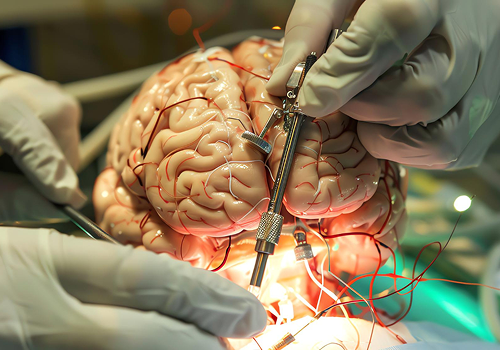
Neurointervention, also called interventional neuroradiology or endovascular neurosurgery, treats brain and blood vessel disorders using catheter-based techniques instead of opening the skull. These procedures use real-time imaging to reach the treatment area safely and precisely.
Through these methods, specialists can remove clots, seal aneurysms, repair vessels, and prevent further neurological injury while minimizing trauma to healthy tissue.
Why Time Matters in Stroke Treatment
Stroke care is often summarized by the phrase “Time is Brain” because rapid restoration of blood flow is strongly linked to better neurological outcomes. Guidelines for acute ischemic stroke emphasize urgent evaluation and fast treatment, including thrombectomy in eligible patients.
Faster treatment protects brain tissue
Earlier reperfusion is associated with better outcomes.
Rapid diagnosis is critical
Emergency imaging helps determine stroke type and treatment options.
Time-sensitive intervention improves recovery
Eligible patients benefit most when treated quickly.
How Neurointervention Treats Stroke Without Open Surgery
One of the most important advances in modern stroke care is mechanical thrombectomy, a minimally invasive procedure used to remove clots from large brain arteries in selected patients with acute ischemic stroke. Guideline summaries support endovascular thrombectomy for appropriate large vessel occlusion cases.
Step 1: Catheter Access
Wrist or Groin Entry
A small catheter is inserted through an artery, commonly at the wrist or groin, and guided toward the brain.
Step 2: Clot Localization
Imaging-Guided Navigation
Advanced imaging identifies the blocked vessel and guides the catheter to the clot.
Step 3: Mechanical Thrombectomy
Clot Removal
Specialized devices are used to capture and remove the clot and restore blood flow.
Step 4: Blood Flow Restoration
Immediate Reperfusion
Successful thrombectomy reopens the artery and improves blood supply to threatened brain tissue.
Benefits of Mechanical Thrombectomy
Rapid restoration of blood flow
Reperfusion can limit further brain injury.
Reduced disability
Endovascular therapy improves functional outcomes in eligible patients.
Minimally invasive treatment
Only a small puncture site is needed.
Faster recovery
Catheter-based procedures usually shorten recovery compared with open surgery.
Improved survival and independence
Timely thrombectomy can improve long-term outcomes.
Who Can Benefit from Mechanical Thrombectomy?
Patients may be considered for thrombectomy if they have:
- Acute ischemic stroke
- Large vessel occlusion
- Significant neurological symptoms
- Favorable brain imaging findings
- Presentation within the recommended treatment window, including selected later-window cases based on imaging
Warning Signs of Stroke
Recognizing stroke symptoms quickly helps patients reach emergency care sooner, which is essential for time-sensitive treatment.
F – Face Drooping
Uneven Facial Movement
One side of the face may droop or appear uneven.
A – Arm Weakness
Sudden Weakness or Numbness
One arm may feel weak, numb, or difficult to lift.
S – Speech Difficulty
Slurred or Confused Speech
Speech may become slurred or hard to understand.
T – Time to Call Emergency Services
Act Immediately
Immediate medical attention is critical for the best chance of recovery.
Additional warning signs may include sudden vision changes, balance problems, severe headache, confusion, or numbness on one side of the body.
Neurointervention for Hemorrhagic Stroke
Neurointerventional specialists also treat bleeding-related brain conditions using minimally invasive endovascular techniques. Common examples include aneurysm coiling and other vessel-sealing procedures.
Aneurysm Coiling
Seal the Aneurysm from Inside
Tiny coils are placed inside an aneurysm through a catheter to reduce the risk of rupture or re-bleeding.
Flow Diversion
Redirect Blood Away from the Aneurysm
Specialized stent-like devices can redirect blood flow and promote healing of the vessel wall.
What Happens During a Neurointerventional Procedure?
Before the Procedure
Evaluation and Imaging
Patients typically undergo CT, MRI, angiography, and neurological assessment before treatment decisions are made.
During the Procedure
Catheter-Based Treatment
Catheter access, real-time imaging guidance, and clot removal or vessel repair are performed without open surgery.
After the Procedure
Monitoring and Recovery Planning
Post-procedure care may include intensive monitoring, repeat neurological exams, and rehabilitation planning.
Recovery After Neurointervention
Recovery depends on stroke severity, speed of treatment, age, and overall health. Many patients benefit from improved neurological function, reduced disability, and shorter hospitalization when treated appropriately.
Rehabilitation such as physical therapy, speech therapy, and occupational therapy may be needed to maximize recovery.
Advantages of Neurointervention Over Open Surgery
| Neurointervention | Traditional Open Surgery |
|---|---|
| Minimally invasive | More invasive approach |
| Tiny puncture site | Larger surgical incision |
| Often less pain | More postoperative discomfort |
| Faster recovery in many cases | Longer recovery time |
| Reduced hospital stay in selected cases | Extended hospitalization may be needed |
| Better preservation of surrounding tissue | More tissue disruption |
The Future of Stroke Care
Stroke care continues to improve through advances in imaging, endovascular devices, and treatment pathways that help identify eligible patients faster and treat them more effectively. Modern stroke systems increasingly rely on rapid diagnosis and around-the-clock endovascular capability for severe cases.
Ready to Consult Dr. Tejendra Ramani?
Book your appointment today and get expert vascular care in Kutch.

Dr. Tejendra Ramani
Consultant Interventional Radiologist
Vascular · Neuro ·
Image-Guided Interventions
Gold Medalist
PhD Scholar
IR Pioneer
MD (Gold Medalist) Neuro & Vascular Interventional Specialist NIMHANS-trained Neuro Intervention, PhD Scholar
View Full Profile