Bleeding Control Embolization
Advanced Minimally Invasive Treatment for Internal and External Bleeding. Bleeding Control Embolization is a highly effective, image-guided interventional radiology procedure used to stop abnormal or life-threatening bleeding without the need for major surgery. By precisely targeting the source of bleeding and blocking the affected blood vessel, embolization provides rapid hemorrhage control while preserving surrounding healthy tissues.
Our interventional radiology specialists offer emergency and elective embolization procedures using advanced angiography systems to manage a wide range of bleeding conditions safely and effectively.
What is Bleeding Control Embolization?
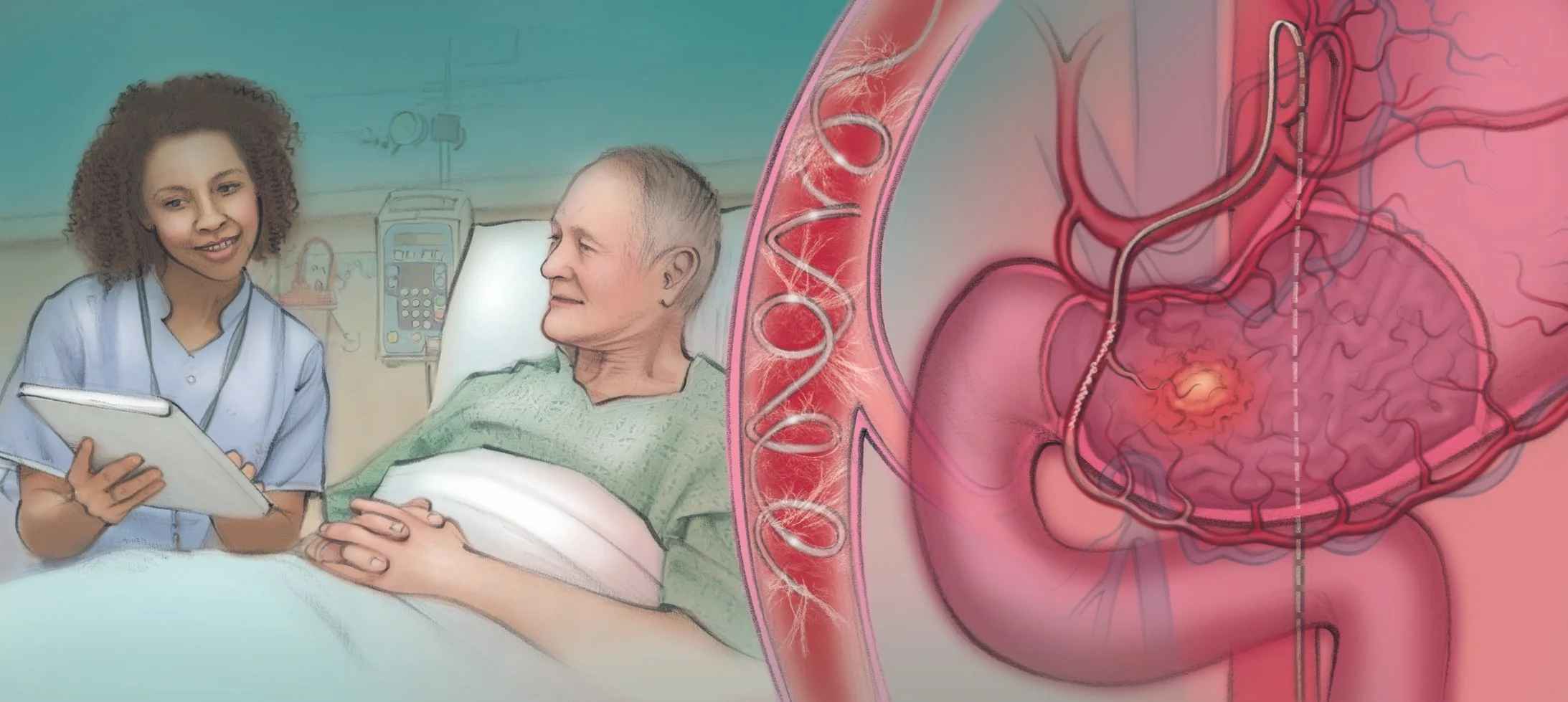
Bleeding Control Embolization is a minimally invasive procedure in which a catheter is guided through the blood vessels to the site of active bleeding. Specialized embolic materials are then delivered to block the bleeding vessel and stop blood loss.
The procedure is performed under real-time imaging guidance, allowing precise treatment of the affected area while minimizing damage to nearby structures.
When is Bleeding Control Embolization Needed?
Embolization may be recommended for patients experiencing:
- Internal bleeding
- Gastrointestinal bleeding
- Trauma-related hemorrhage
- Post-surgical bleeding
- Postpartum hemorrhage
- Bleeding from tumors
- Vascular malformations
- Pelvic bleeding
- Kidney bleeding
- Liver bleeding
- Hemoptysis (coughing up blood)
- Uncontrolled bleeding despite medical treatment
Prompt treatment can be life-saving in severe bleeding situations.
Conditions Treated with Bleeding Control Embolization
Gastrointestinal Bleeding
Digestive Tract Hemorrhage
Embolization can effectively stop bleeding from the stomach, intestines, or other parts of the digestive tract.
Trauma-Related Hemorrhage
Accident and Injury Bleeding
Used to control bleeding caused by accidents, injuries, or fractures.
Postpartum Hemorrhage
After Childbirth Bleeding
A life-threatening condition that occurs after childbirth and can often be treated successfully with uterine artery embolization.
Tumor-Related Bleeding
Cancer-Related Hemorrhage
Certain cancers and tumors may cause significant bleeding that can be managed through embolization.
Hemoptysis
Coughing Up Blood
Patients coughing up blood due to lung disease or vascular abnormalities may benefit from bronchial artery embolization.
Pelvic and Gynecological Bleeding
Pelvic Hemorrhage
Embolization can effectively manage abnormal pelvic bleeding and gynecological hemorrhage.
Post-Surgical Bleeding
After Surgery Complications
Bleeding complications following surgery or invasive procedures can often be treated without additional surgery.
How is Bleeding Control Embolization Performed?
Step 1: Vascular Access
Insert Catheter
A small catheter is inserted through a blood vessel, typically in the groin or wrist.
Step 2: Angiographic Imaging
Identify Bleeding Source
Contrast dye and real-time X-ray imaging are used to identify the exact source of bleeding.
Step 3: Embolization
Block the Bleeding Vessel
Specialized embolic materials are delivered through the catheter to block the bleeding vessel.
Common embolic agents include: Coils, Polyvinyl alcohol particles (PVA), Gel foam, Vascular plugs, Liquid embolic agents.
Step 4: Confirmation
Verify Bleeding Control
A final angiogram is performed to ensure the bleeding has been completely controlled.
Benefits of Bleeding Control Embolization
Emergency Bleeding Management
Bleeding Control Embolization is often used in emergency situations where immediate hemorrhage control is critical. The procedure can quickly stabilize patients and reduce the need for open surgical intervention.
It plays an essential role in trauma care, emergency medicine, oncology, obstetrics, and critical care management.
Recovery After Embolization
Recovery depends on the underlying condition and severity of bleeding.
Most patients can expect:
- Close monitoring after the procedure
- Symptom improvement within hours or days
- Short hospital stay
- Follow-up imaging if required
- Gradual return to normal activities
Our team provides comprehensive post-procedure care and follow-up.
Is Bleeding Control Embolization Safe?
Embolization is a well-established procedure with an excellent safety profile when performed by experienced interventional radiologists.
Potential risks are uncommon and may include:
- Minor bleeding at the catheter site
- Temporary discomfort
- Infection
- Vessel injury
- Rare non-target embolization
Advanced imaging guidance significantly reduces these risks and improves treatment precision.
Conditions Commonly Managed
Our team manages a wide range of bleeding conditions including:
- Gastrointestinal Hemorrhage
- Trauma-Related Bleeding
- Postpartum Hemorrhage
- Tumor Bleeding
- Hemoptysis
- Pelvic Hemorrhage
- Post-Surgical Bleeding
- Vascular Malformations
- Liver and Kidney Bleeding
Why Choose Our Bleeding Control Embolization Services?
We provide advanced minimally invasive hemorrhage management using cutting-edge technology and expert clinical care.
Ready to Consult Dr. Tejendra Ramani?
Book your appointment today and get expert vascular care in Kutch.

Dr. Tejendra Ramani
Consultant Interventional Radiologist
Vascular · Neuro ·
Image-Guided Interventions
MD (Gold Medalist) Neuro & Vascular Interventional Specialist NIMHANS-trained Neuro Intervention, PhD Scholar
View Full Profile