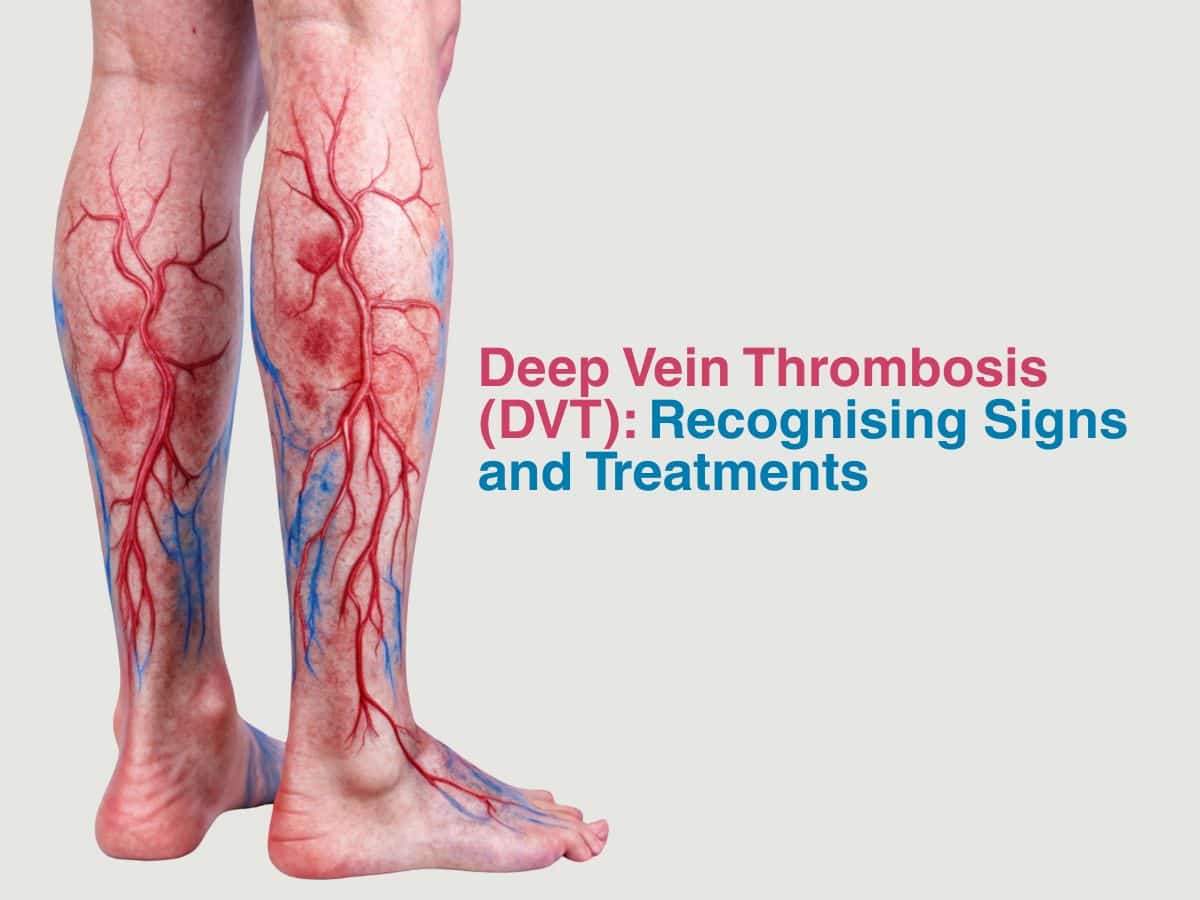
DVT (Deep Vein Thrombosis) Management
Comprehensive Diagnosis and Advanced Treatment for Deep Vein Thrombosis. Deep Vein Thrombosis (DVT) is a serious vascular condition that occurs when a blood clot forms in a deep vein, most commonly in the legs. If left untreated, the clot can travel to the lungs and cause a potentially life-threatening condition known as pulmonary embolism (PE). Early diagnosis and timely treatment are essential to prevent complications and protect long-term vascular health.
Our vascular and interventional specialists provide comprehensive DVT management using advanced diagnostic tools, medication therapy, and minimally invasive endovascular procedures to ensure safe and effective treatment.
What is Deep Vein Thrombosis (DVT)?
Deep Vein Thrombosis occurs when a blood clot develops in one or more deep veins, typically in the lower extremities. The clot can partially or completely block blood flow, causing swelling, pain, and circulation problems.
Without proper treatment, DVT can lead to serious complications, including:
- Pulmonary Embolism (PE)
- Post-Thrombotic Syndrome (PTS)
- Chronic leg swelling
- Venous ulcers
- Recurrent blood clots
Prompt medical attention significantly improves outcomes and reduces long-term risks.
Symptoms of Deep Vein Thrombosis
Common signs and symptoms of DVT include:
- Swelling in one leg
- Leg pain or tenderness
- Warmth in the affected area
- Redness or skin discoloration
- Heaviness in the leg
- Visible surface veins
- Cramping or discomfort while standing or walking
In some cases, DVT may occur without noticeable symptoms.
Warning Signs of Pulmonary Embolism
Seek immediate medical attention if you experience:
- Sudden shortness of breath
- Chest pain
- Rapid heartbeat
- Dizziness or fainting
- Coughing up blood
These symptoms may indicate that a blood clot has traveled to the lungs.
Causes and Risk Factors
Several factors can increase the risk of developing DVT, including:
- Prolonged bed rest or immobility
- Long-distance travel
- Recent surgery or hospitalization
- Cancer and cancer treatment
- Pregnancy and postpartum period
- Obesity
- Smoking
- Hormonal therapy or birth control pills
- Family history of blood clots
- Previous DVT or pulmonary embolism
Understanding these risk factors helps with prevention and early detection.
Diagnosis of DVT
Accurate diagnosis is crucial for determining the best treatment approach.
Diagnostic tests may include:
- Venous Doppler Ultrasound
- D-Dimer Blood Test
- CT Venography
- MR Venography
- Contrast Venography
- Blood clotting disorder evaluation
These investigations help confirm the presence, location, and severity of the clot.
DVT Treatment Options
Treatment is tailored to clot severity, location, and patient risk factors.
Anticoagulation Therapy
Blood-Thinning Medications · Primary Treatment
- Blood-thinning medications are the primary treatment for most DVT patients.
- These medications help prevent clot growth.
- Reduce the risk of pulmonary embolism.
Catheter-Directed Thrombolysis
Clot-Dissolving Therapy · Severe Clots
- For extensive or severe clots, clot-dissolving medication is delivered directly into the clot through a catheter.
- Restores blood flow more effectively.
- Reduces long-term complications.
Mechanical Thrombectomy
Mechanical Clot Removal · Minimally Invasive
- A minimally invasive procedure that physically removes the clot using specialized devices.
- Helps restore circulation quickly.
- Reduces long-term complications.
IVC Filter Placement
Pulmonary Embolism Prevention · Selected Patients
- In selected patients who cannot take blood thinners or are at high risk of PE, an IVC filter may be placed.
- Prevents clots from reaching the lungs.
Compression Therapy
Compression stockings may be recommended to improve circulation, reduce swelling, and help prevent Post-Thrombotic Syndrome.
Benefits of Early DVT Management
Preventing Deep Vein Thrombosis
Preventive measures include:
- Staying physically active
- Taking regular walking breaks during travel
- Maintaining a healthy weight
- Staying hydrated
- Quitting smoking
- Following post-surgical mobility recommendations
- Wearing compression stockings when advised
Early prevention is particularly important for individuals at higher risk.
Why Choose Our DVT Management Program?
We offer advanced, evidence-based treatment for Deep Vein Thrombosis with a focus on patient safety and long-term vascular health.
Ready to Consult Dr. Tejendra Ramani?
Book your appointment today and get expert vascular care in Kutch.

Dr. Tejendra Ramani
Consultant Interventional Radiologist
Vascular · Neuro ·
Image-Guided Interventions
MD (Gold Medalist) Neuro & Vascular Interventional Specialist NIMHANS-trained Neuro Intervention, PhD Scholar
View Full Profile