Biopsies
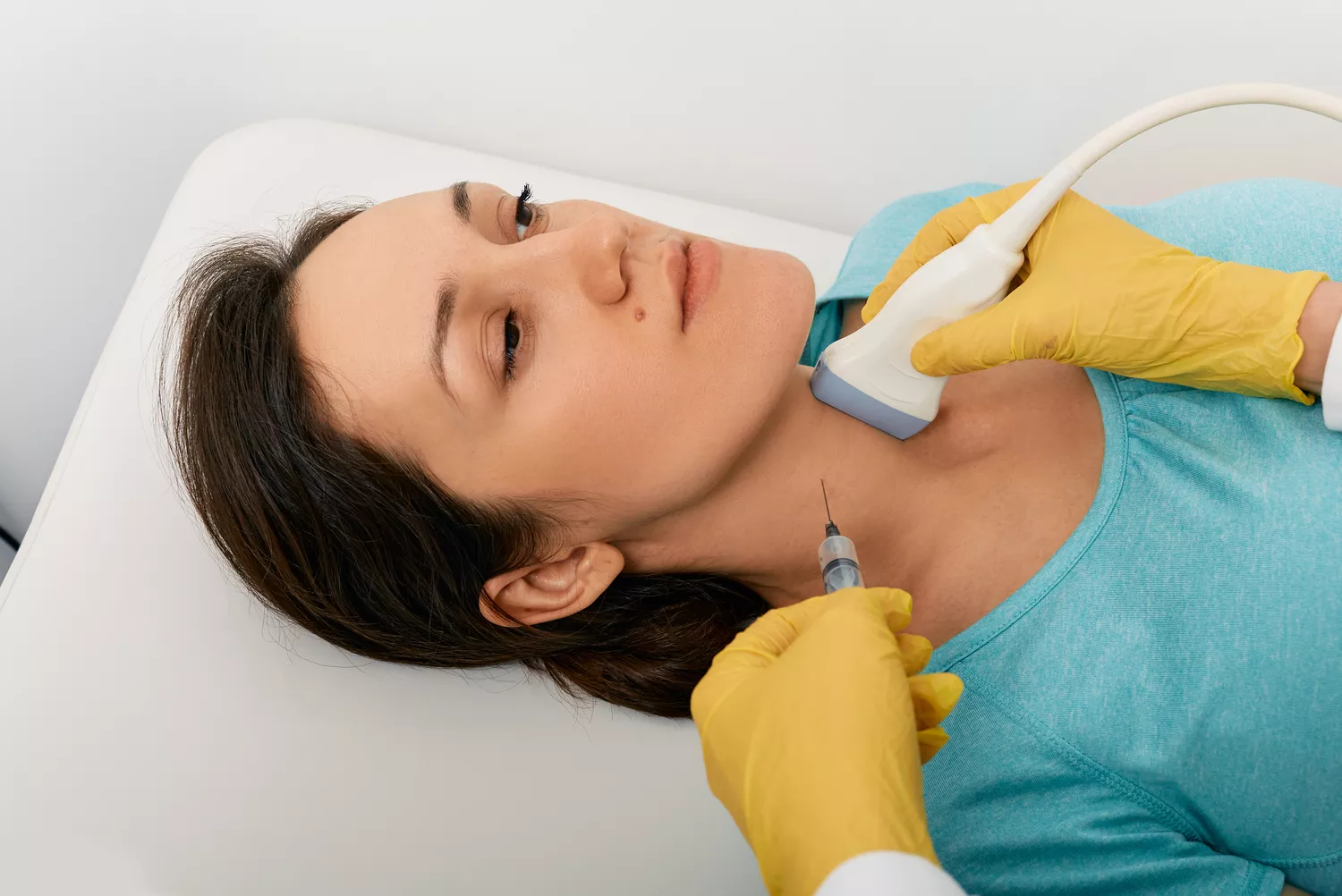
Accurate and Minimally Invasive Diagnosis of Tumors and Abnormal Tissues. An Image-Guided Biopsy is a minimally invasive procedure used to obtain a small sample of tissue from an abnormal area in the body for laboratory analysis. Using advanced imaging technologies such as ultrasound, CT scan, MRI, or fluoroscopy, specialists can precisely target suspicious lesions, tumors, or abnormal tissues to establish an accurate diagnosis.
Our interventional radiology team performs safe, precise, and minimally invasive biopsy procedures that help diagnose cancer, infections, inflammatory conditions, and other diseases while minimizing discomfort and recovery time.
What is a Biopsy?
A biopsy is a medical procedure in which a small sample of tissue or cells is removed from the body and examined under a microscope by a pathologist. It is often the most reliable method for diagnosing many diseases, particularly cancer.
Image-guided biopsies improve accuracy by allowing physicians to visualize the target area in real time and safely obtain tissue samples from difficult-to-reach locations.
Why is a Biopsy Needed?
A biopsy may be recommended when imaging tests reveal an abnormality that requires further evaluation.
Common reasons include:
- Suspicious tumors or masses
- Abnormal lymph nodes
- Unexplained lesions
- Possible cancer diagnosis
- Monitoring cancer recurrence
- Chronic infections
- Inflammatory diseases
- Organ abnormalities
- Liver disease evaluation
- Kidney disease assessment
A biopsy helps determine the exact nature of the abnormality and guides treatment planning.
Conditions Diagnosed Through Biopsy
Image-guided biopsies can help diagnose:
- Lung Cancer
- Liver Cancer
- Breast Cancer
- Kidney Tumors
- Pancreatic Tumors
- Bone Tumors
- Soft Tissue Masses
- Lymphoma
- Metastatic Cancer
- Thyroid Nodules
- Liver Disease
- Chronic Infections
Types of Image-Guided Biopsies
Ultrasound-Guided Biopsy
Real-Time Ultrasound Imaging
Uses real-time ultrasound imaging to guide the biopsy needle to the target tissue.
Commonly used for: Thyroid nodules, breast lesions, liver masses, lymph nodes, soft tissue abnormalities.
CT-Guided Biopsy
Precise Deep Lesion Targeting
Provides highly detailed imaging for precise targeting of deep-seated lesions.
Frequently used for: Lung nodules, liver tumors, bone lesions, abdominal masses, retroperitoneal tumors.
Fluoroscopy-Guided Biopsy
Real-Time X-Ray Imaging
Uses real-time X-ray imaging for specific procedures involving bones and deeper structures.
MRI-Guided Biopsy
Superior Lesion Visualization
Used in selected cases where MRI offers superior visualization of the target lesion.
Common Biopsy Procedures
Lung Biopsy
Evaluate Lung Nodules
Used to evaluate suspicious lung nodules or masses.
Liver Biopsy
Assess Liver Disease
Assesses liver disease, liver tumors, and unexplained liver abnormalities.
Kidney Biopsy
Diagnose Kidney Disorders
Helps diagnose kidney disorders and evaluate renal masses.
Bone Biopsy
Sample Bone Lesions
Obtains tissue samples from abnormal bone lesions.
Lymph Node Biopsy
Evaluate Enlarged Lymph Nodes
Evaluates enlarged or abnormal lymph nodes.
Soft Tissue Biopsy
Tumor and Mass Evaluation
Used for tumors and masses involving muscles, fat, or connective tissues.
How is an Image-Guided Biopsy Performed?
Most biopsy procedures are completed within 30 to 60 minutes.
Procedure Steps
Minimally invasive · 30–60 minutes
- The target area is identified using imaging guidance.
- Local anesthesia is administered to ensure comfort.
- A specialized biopsy needle is carefully guided into the lesion.
- Small tissue samples are collected.
- The samples are sent to the pathology laboratory for analysis.
- The patient is monitored briefly before discharge.
Benefits of Image-Guided Biopsies
Recovery After a Biopsy
Most patients recover quickly and can return home the same day.
After the procedure, patients may experience:
- Mild soreness at the biopsy site
- Minor bruising
- Temporary discomfort
These symptoms usually resolve within a few days.
Safety and Accuracy
Image-guided biopsies are considered highly safe and accurate when performed by experienced interventional radiologists. Advanced imaging allows precise needle placement while minimizing injury to surrounding structures.
Pathology results typically become available within a few days and help determine the next steps in treatment.
Why Choose Our Image-Guided Biopsy Services?
We provide advanced diagnostic procedures using state-of-the-art imaging technology and expert clinical care.
Ready to Consult Dr. Tejendra Ramani?
Book your appointment today and get expert vascular care in Kutch.
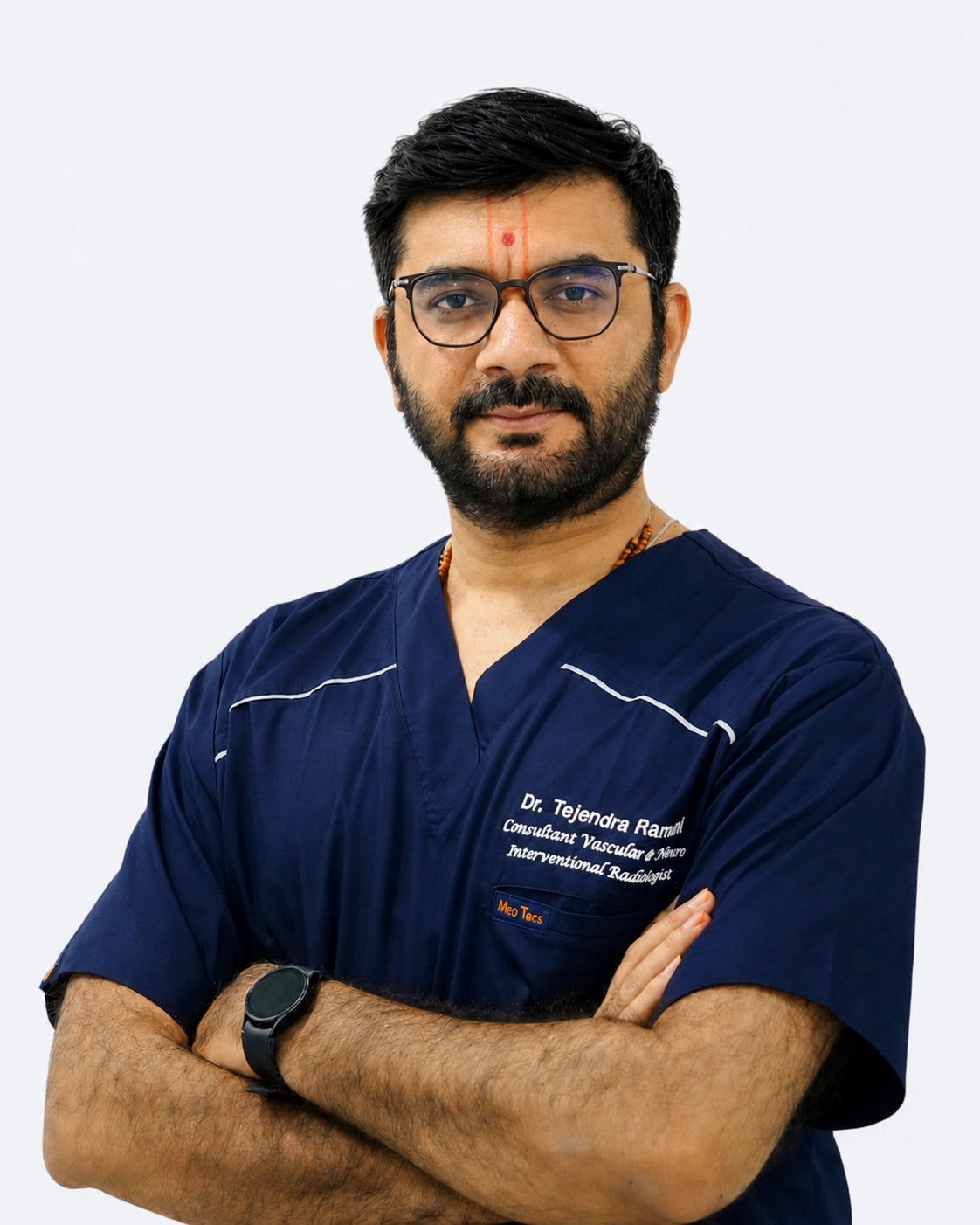
Dr. Tejendra Ramani
Consultant Interventional Radiologist
Vascular · Neuro ·
Image-Guided Interventions
MD (Gold Medalist) Neuro & Vascular Interventional Specialist NIMHANS-trained Neuro Intervention, PhD Scholar
View Full Profile