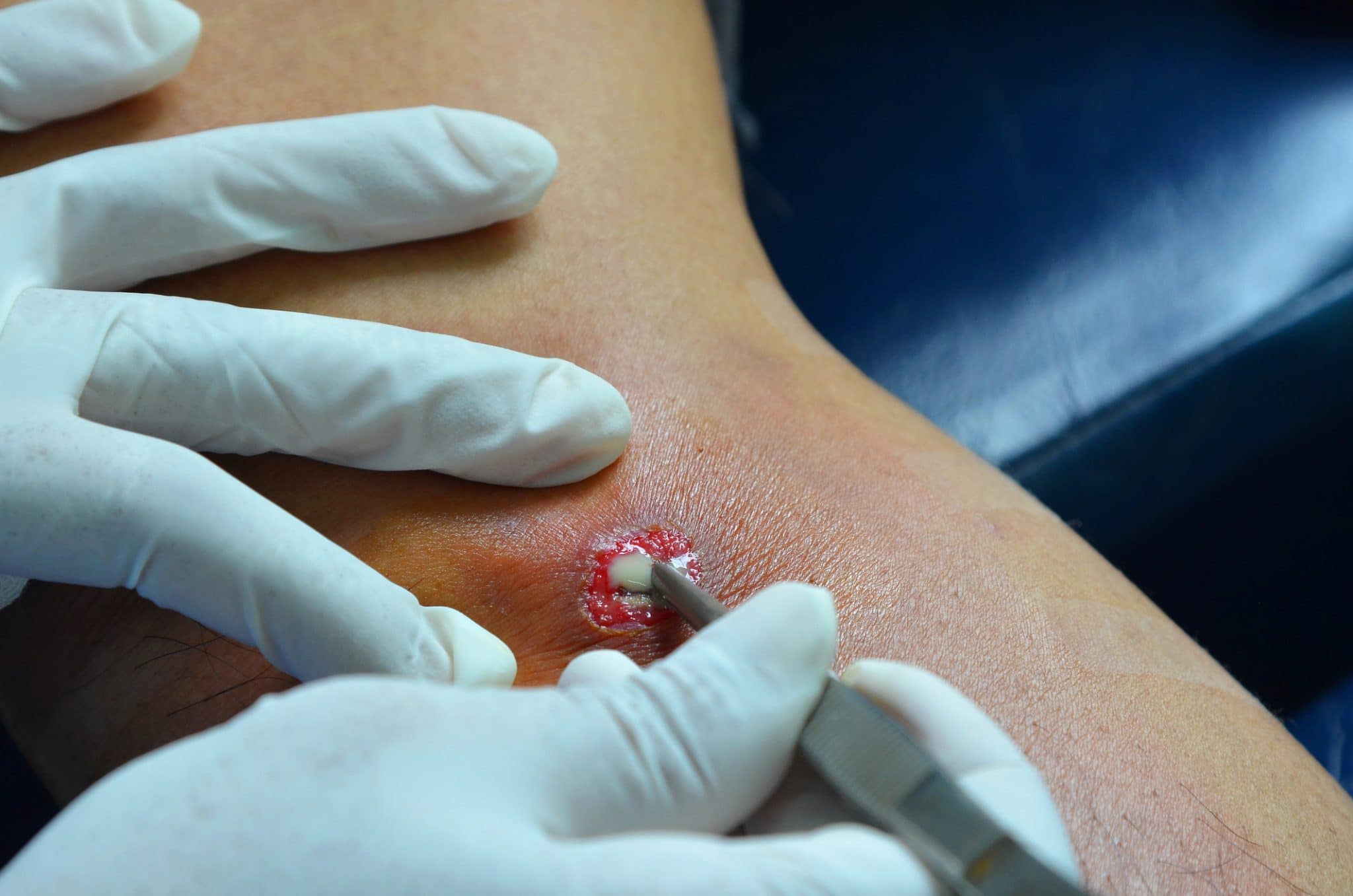
Abscess Drainage
Safe and Effective Minimally Invasive Treatment for Abscesses. Abscess Drainage is a minimally invasive, image-guided procedure used to remove pus and infected fluid from an abscess. By draining the infection directly, this procedure helps relieve pain, reduce inflammation, control infection, and promote faster healing. Abscess drainage is often an effective alternative to open surgery and can significantly shorten recovery time.
Our interventional radiology specialists perform advanced abscess drainage procedures using ultrasound and CT imaging guidance to ensure precise treatment and optimal patient outcomes.
What is an Abscess?
An abscess is a collection of pus caused by a bacterial, fungal, or other infection. It can develop anywhere in the body when the immune system attempts to fight infection by trapping bacteria and inflammatory cells within a localized cavity.
If left untreated, an abscess can enlarge, spread infection to surrounding tissues, or lead to serious complications.
Common Causes of Abscess Formation
Abscesses may develop due to:
- Bacterial infections
- Post-surgical infections
- Trauma or injury
- Inflammatory bowel disease
- Appendicitis
- Diverticulitis
- Pancreatitis
- Liver infections
- Weakened immune system
- Cancer-related complications
Prompt diagnosis and drainage are often necessary for effective treatment.
Symptoms of an Abscess
Symptoms vary depending on the location of the abscess but may include:
- Fever and chills
- Localized pain or tenderness
- Swelling
- Redness and warmth
- Fatigue
- Loss of appetite
- Nausea or vomiting
- Abdominal pain
- Difficulty breathing (in chest abscesses)
- Persistent infection despite antibiotics
Many abscesses do not resolve with antibiotics alone and require drainage.
Types of Abscesses Treated
Abdominal Abscess
Abdominal Cavity Infection
Infections located within the abdominal cavity, often following surgery or bowel disease.
Liver Abscess
Liver Infection
A collection of infected fluid within the liver requiring prompt drainage and antibiotic therapy.
Pelvic Abscess
Pelvic Infection
Commonly associated with pelvic infections, gastrointestinal disorders, or post-operative complications.
Pancreatic Abscess
Pancreas-Related Infection
Infected collections around the pancreas that may occur after severe pancreatitis.
Soft Tissue Abscess
Muscle and Skin Infection
Abscesses affecting muscles, skin, or deep soft tissues.
Post-Surgical Abscess
After Surgery Infection
Fluid collections that develop after surgical procedures and become infected.
Chest Abscess
Chest or Lung Infection
Collections of infected fluid within the chest or around the lungs.
What is Image-Guided Abscess Drainage?
Image-guided abscess drainage is a minimally invasive procedure in which a needle and drainage catheter are inserted into the abscess under ultrasound or CT scan guidance.
The infected material is drained safely and accurately without the need for major surgery in many cases.
How is Abscess Drainage Performed?
Step 1: Imaging Evaluation
Locate the Abscess
Ultrasound or CT imaging is used to locate the abscess and plan the safest access route.
Step 2: Local Anesthesia
Patient Comfort
The skin and surrounding tissues are numbed to ensure patient comfort.
Step 3: Catheter Placement
Insert Needle and Catheter
A needle is inserted into the abscess, followed by placement of a drainage catheter.
Step 4: Fluid Drainage
Remove Infected Material
The pus and infected material are drained, and samples may be sent for laboratory analysis.
Step 5: Follow-Up Monitoring
Ensure Complete Resolution
The catheter may remain in place for several days until the abscess cavity has resolved.
Benefits of Image-Guided Abscess Drainage
Recovery After Abscess Drainage
Recovery depends on the size and location of the abscess as well as the patient's overall health.
Most patients experience:
- Rapid symptom relief
- Reduced fever and infection
- Improved comfort
- Faster healing with antibiotics
Regular follow-up imaging may be performed to ensure complete resolution of the abscess.
Is Abscess Drainage Safe?
Image-guided abscess drainage is considered a safe and highly effective procedure when performed by experienced interventional radiologists. Advanced imaging guidance helps minimize risks and improve procedural success.
Potential complications are uncommon and may include:
- Minor bleeding
- Temporary discomfort
- Catheter-related issues
- Rare recurrence of infection
Our team closely monitors patients throughout the treatment process.
When Should You Seek Treatment?
You should seek medical evaluation if you experience:
- Persistent fever
- Severe pain or swelling
- Signs of infection
- Abdominal or pelvic discomfort
- Symptoms that do not improve with antibiotics
Early diagnosis and drainage can prevent serious complications and improve recovery.
Why Choose Our Abscess Drainage Services?
We provide advanced minimally invasive drainage procedures using state-of-the-art imaging technology and expert interventional radiology care.
Ready to Consult Dr. Tejendra Ramani?
Book your appointment today and get expert vascular care in Kutch.

Dr. Tejendra Ramani
Consultant Interventional Radiologist
Vascular · Neuro ·
Image-Guided Interventions
MD (Gold Medalist) Neuro & Vascular Interventional Specialist NIMHANS-trained Neuro Intervention, PhD Scholar
View Full Profile