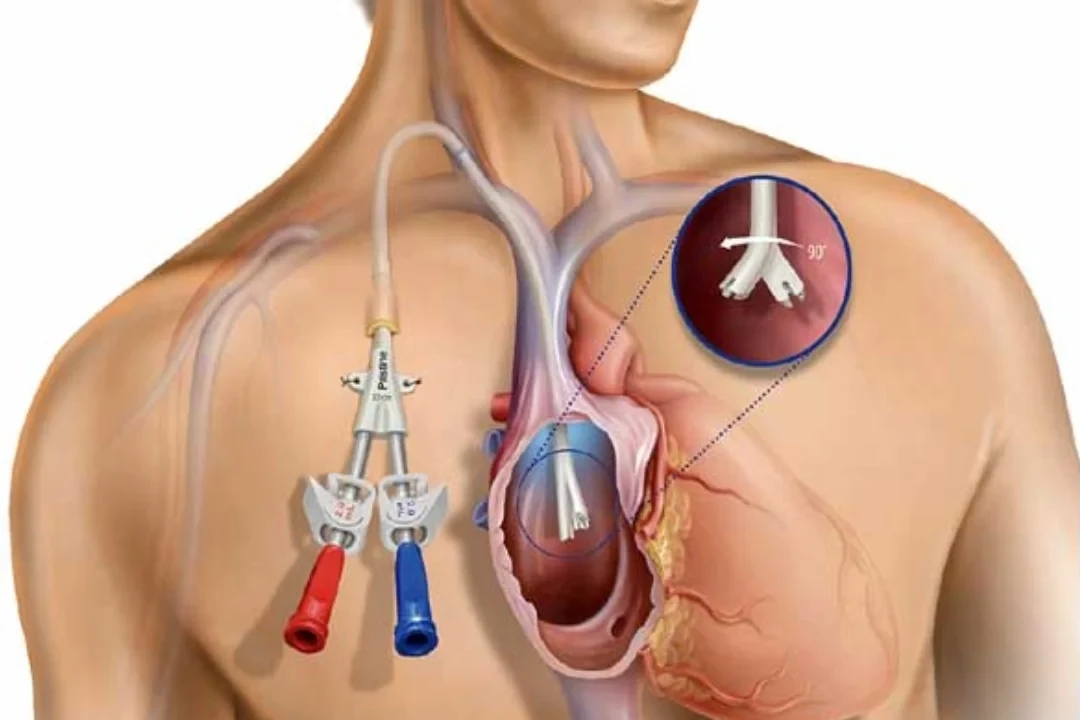
Catheter Placements
Advanced Image-Guided Catheter Placement Procedures. Catheter Placement procedures are minimally invasive, image-guided interventions used to provide access for drainage, medication delivery, dialysis, chemotherapy, nutritional support, and various diagnostic or therapeutic treatments. These procedures play a vital role in modern healthcare by offering safe, precise, and effective solutions for both short-term and long-term medical needs.
Our interventional radiology specialists perform a wide range of catheter placement procedures using advanced ultrasound, fluoroscopy, and imaging guidance to ensure optimal outcomes and patient comfort.
What is a Catheter Placement Procedure?
A catheter is a thin, flexible tube that is inserted into a blood vessel, body cavity, organ, or fluid collection to facilitate treatment, drainage, or monitoring. Image-guided catheter placement allows physicians to accurately position the catheter while minimizing risks and complications.
These procedures are commonly performed on an outpatient basis or during a short hospital stay.
Why Are Catheters Needed?
Catheters may be required for:
- Administration of medications
- Chemotherapy delivery
- Long-term intravenous therapy
- Dialysis treatment
- Nutritional support
- Fluid drainage
- Biliary drainage
- Urinary drainage
- Blood sampling
- Vascular access
- Monitoring and diagnostic procedures
Catheter placement provides reliable access while reducing the need for repeated needle insertions.
Types of Catheter Placement Procedures
Central Venous Catheter (CVC) Placement
Large Vein Access
A catheter is inserted into a large vein for:
- Long-term medication administration
- Intravenous therapy
- Critical care monitoring
- Blood sampling
PICC Line Placement
Peripherally Inserted Central Catheter
A Peripherally Inserted Central Catheter (PICC) is used for:
- Long-term antibiotics
- Chemotherapy
- Intravenous nutrition
- Extended medical treatments
Chemo Port Placement
Implantable Venous Access
Implantable venous access ports provide convenient and reliable access for cancer treatment and long-term therapy.
Dialysis Catheter Placement
Hemodialysis Access
Specialized catheters are inserted to facilitate hemodialysis in patients with kidney failure.
Nephrostomy Catheter Placement
Kidney Urine Drainage
A catheter is placed into the kidney to drain urine when normal urinary flow is obstructed.
Biliary Drainage Catheter Placement
Bile Duct Obstruction Relief
Used to relieve bile duct obstruction and restore bile flow in patients with liver and biliary diseases.
Abscess Drainage Catheter Placement
Infected Fluid Drainage
Catheters are inserted into infected fluid collections to drain pus and promote healing.
Peritoneal Drainage Catheter Placement
Abdominal Fluid Drainage
Used to drain abdominal fluid collections, ascites, or other pathological fluid accumulations.
Pleural Drainage Catheter Placement
Lung Fluid Drainage
Provides drainage of fluid around the lungs to improve breathing and relieve symptoms.
How is Catheter Placement Performed?
Step 1: Pre-Procedure Assessment
Evaluate Patient Condition
The patient's condition is evaluated, and imaging studies are reviewed.
Step 2: Imaging Guidance
Identify Safest Route
Ultrasound, fluoroscopy, or CT imaging is used to identify the safest and most effective placement route.
Step 3: Local Anesthesia
Ensure Patient Comfort
The insertion site is numbed to ensure patient comfort.
Step 4: Catheter Insertion
Advance to Target Location
The catheter is carefully advanced into the target location under real-time imaging guidance.
Step 5: Position Confirmation
Verify Accurate Placement
Imaging confirms accurate catheter placement before the procedure is completed.
Benefits of Image-Guided Catheter Placement
Recovery After Catheter Placement
Most patients recover quickly following catheter insertion.
Patients may experience:
- Mild soreness at the insertion site
- Minor bruising
- Temporary discomfort
Our team provides detailed instructions regarding catheter care, maintenance, and follow-up appointments to ensure safe and effective use.
Catheter Care and Maintenance
Proper catheter care is essential to prevent infection and ensure optimal function.
Important aspects include:
- Regular dressing changes
- Proper hygiene practices
- Routine flushing when required
- Monitoring for signs of infection
- Scheduled follow-up visits
Patients and caregivers receive comprehensive education on catheter management.
Conditions Commonly Requiring Catheter Placement
Our multidisciplinary team works closely with oncologists, nephrologists, surgeons, and physicians to provide coordinated care for:
- Cancer Treatment
- Chronic Kidney Disease
- Biliary Obstruction
- Severe Infections
- Fluid Collections and Abscesses
- Long-Term Intravenous Therapy
- Nutritional Support Requirements
- Pleural Effusions
- Ascites Management
Why Choose Our Catheter Placement Services?
We provide expert image-guided catheter placement procedures using advanced technology and evidence-based practices.
Ready to Consult Dr. Tejendra Ramani?
Book your appointment today and get expert vascular care in Kutch.

Dr. Tejendra Ramani
Consultant Interventional Radiologist
Vascular · Neuro ·
Image-Guided Interventions
MD (Gold Medalist) Neuro & Vascular Interventional Specialist NIMHANS-trained Neuro Intervention, PhD Scholar
View Full Profile