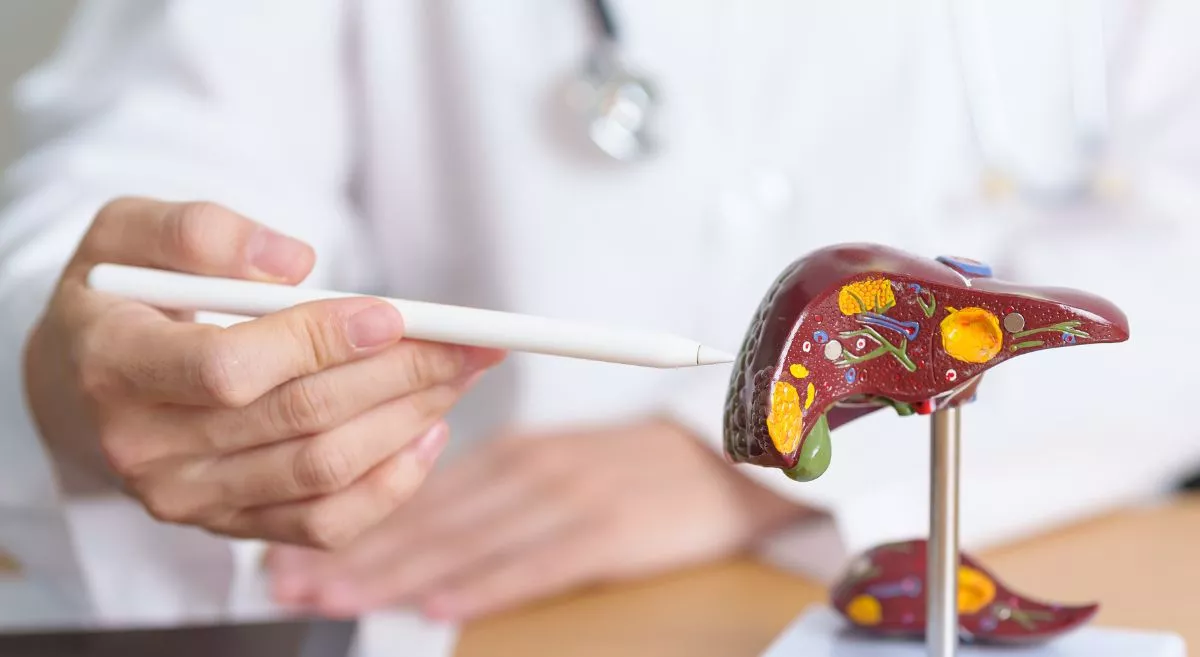
Hepatic Interventions
Advanced Minimally Invasive Treatments for Liver Diseases. Hepatic Interventions are specialized image-guided procedures used to diagnose and treat a wide range of liver conditions, including liver tumors, liver cancer, vascular disorders, biliary diseases, and complications of chronic liver disease. These minimally invasive treatments offer effective alternatives to traditional surgery, helping patients achieve better outcomes with reduced recovery times and fewer complications.
Our interventional radiology specialists provide comprehensive hepatic intervention services using advanced imaging technology and state-of-the-art techniques to deliver personalized liver care.
What Are Hepatic Interventions?
Hepatic interventions are minimally invasive procedures performed under image guidance, such as ultrasound, CT scan, fluoroscopy, or angiography. These procedures target liver diseases directly, allowing precise diagnosis and treatment while minimizing damage to surrounding healthy tissues.
Hepatic interventions play an important role in modern liver disease management and are often used alongside surgery, chemotherapy, transplantation, and medical therapies.
Conditions Treated with Hepatic Interventions
Our hepatic intervention services help manage:
- Liver Cancer (Hepatocellular Carcinoma)
- Liver Metastases
- Benign Liver Tumors
- Cholangiocarcinoma
- Portal Vein Disorders
- Portal Hypertension
- Liver Cirrhosis
- Biliary Obstruction
- Liver Abscesses
- Hepatic Cysts
- Vascular Malformations of the Liver
- Post-Transplant Liver Complications
Common Hepatic Intervention Procedures
Liver Tumor Ablation
Destroy Tumors with Energy
Image-guided ablation procedures destroy liver tumors using heat, cold, or microwave energy.
Types include: Radiofrequency Ablation (RFA), Microwave Ablation (MWA), Cryoablation.
These treatments are often used for small liver tumors and patients who may not be candidates for surgery.
Transarterial Chemoembolization (TACE)
Targeted Chemotherapy Delivery
TACE is a targeted liver cancer treatment that delivers chemotherapy directly into the tumor while blocking its blood supply, helping control tumor growth.
Transarterial Radioembolization (TARE)
Y-90 Radioembolization
Also known as Y-90 Radioembolization, this procedure delivers radioactive microspheres directly to liver tumors through the hepatic arteries.
Hepatic Artery Embolization
Block Tumor Blood Supply
A procedure that blocks blood flow to liver tumors, reducing tumor growth and controlling symptoms.
Liver Biopsy
Minimally Invasive Tissue Sampling
A minimally invasive image-guided procedure used to obtain tissue samples for diagnosing liver disease and tumors.
Portal Vein Interventions
Treat Portal Vein Disorders
Advanced procedures used to treat portal vein thrombosis, portal vein stenosis, portal hypertension, and liver transplant-related vascular complications.
TIPS (Transjugular Intrahepatic Portosystemic Shunt)
Reduce Portal Hypertension
A specialized procedure used to reduce portal hypertension and manage complications such as variceal bleeding and refractory ascites.
Biliary Drainage and Stenting
Relieve Bile Duct Obstruction
Procedures used to relieve bile duct obstruction and restore normal bile flow.
These include: PTBD, Biliary Stenting, Biliary Balloon Dilatation.
Benefits of Hepatic Interventions
How Are Hepatic Interventions Performed?
Most hepatic interventions are performed under imaging guidance using:
- Ultrasound
- CT Scan
- Fluoroscopy
- Angiography
- MRI Guidance (selected cases)
Small catheters or needles are inserted through the skin and precisely guided to the treatment area, ensuring maximum effectiveness and safety.
Recovery After Hepatic Interventions
Recovery depends on the type of procedure performed.
Most patients benefit from:
- Short hospital stays
- Minimal post-procedure discomfort
- Faster return to normal activities
- Regular imaging follow-up
- Ongoing liver function monitoring
Our team provides comprehensive post-procedure care to ensure optimal recovery and long-term outcomes.
Hepatic Interventions for Liver Cancer
Interventional radiology plays a critical role in liver cancer treatment. Hepatic interventions can:
- Shrink liver tumors
- Control cancer growth
- Improve symptoms
- Enhance survival outcomes
- Serve as a bridge to liver transplantation
- Complement surgery and systemic therapies
Treatment plans are customized based on tumor size, location, liver function, and overall patient health.
Why Choose Our Hepatic Intervention Program?
We provide comprehensive liver care through advanced interventional radiology techniques and multidisciplinary collaboration.
Ready to Consult Dr. Tejendra Ramani?
Book your appointment today and get expert vascular care in Kutch.

Dr. Tejendra Ramani
Consultant Interventional Radiologist
Vascular · Neuro ·
Image-Guided Interventions
MD (Gold Medalist) Neuro & Vascular Interventional Specialist NIMHANS-trained Neuro Intervention, PhD Scholar
View Full Profile