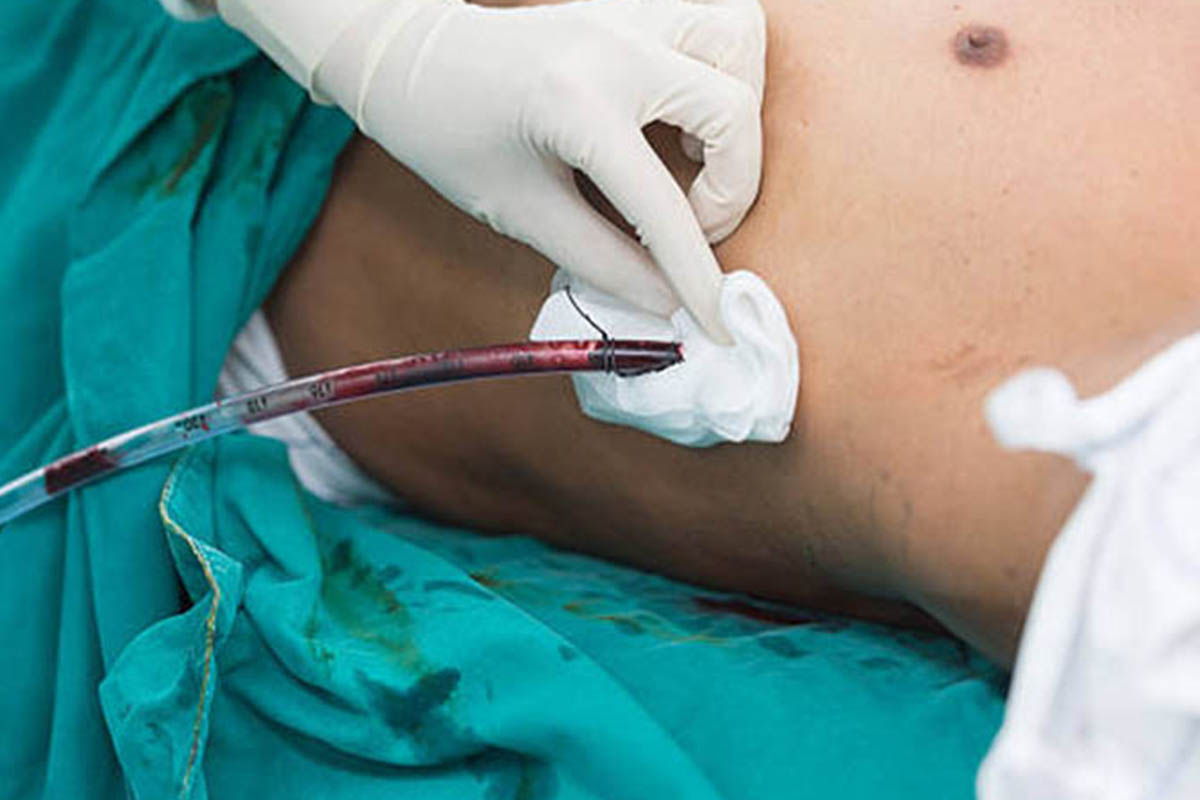
Drainage Procedures
Advanced Image-Guided Drainage Procedures for Fluid Collections and Infections. Drainage Procedures are minimally invasive, image-guided treatments used to remove abnormal fluid collections, abscesses, cysts, and infected material from various parts of the body. These procedures help relieve symptoms, control infection, promote healing, and often eliminate the need for major surgery.
Our interventional radiology specialists perform advanced drainage procedures using ultrasound, CT scan, and fluoroscopic guidance to ensure precise catheter placement, effective drainage, and optimal patient outcomes.
What Are Drainage Procedures?
Drainage procedures involve the placement of a needle or small catheter into a fluid collection under imaging guidance. The fluid, pus, blood, bile, urine, or other accumulated material is then drained from the body, relieving pressure and treating the underlying condition.
These procedures are commonly used for both emergency and elective conditions and are often performed on an outpatient basis or with a short hospital stay.
Conditions Treated with Drainage Procedures
Image-guided drainage can be used to treat:
- Abscesses
- Infected fluid collections
- Liver abscesses
- Abdominal abscesses
- Pelvic abscesses
- Pancreatic fluid collections
- Pleural effusions
- Ascites
- Biliary obstruction
- Kidney obstruction
- Urinary collections
- Post-surgical fluid collections
- Hematomas
- Lymphoceles
- Cysts and seromas
Early drainage can prevent complications and speed recovery.
Types of Drainage Procedures
Abscess Drainage
Infected Fluid Removal
A minimally invasive procedure used to drain infected fluid (pus) from an abscess.
Common sites include: Abdomen, pelvis, liver, soft tissues, post-operative collections.
Pleural Drainage
Lung Fluid Removal
Used to remove excess fluid from around the lungs (pleural effusion) to improve breathing and comfort.
Ascitic Fluid Drainage (Paracentesis)
Abdominal Fluid Removal
Removes excess fluid from the abdominal cavity caused by liver disease, cancer, or other medical conditions.
Biliary Drainage
Bile Flow Restoration
Restores bile flow when the bile ducts are blocked.
Examples include: Percutaneous Transhepatic Biliary Drainage (PTBD), Internal-External Biliary Drainage.
Nephrostomy Drainage
Kidney Urine Drainage
A catheter is placed into the kidney to drain urine when the urinary tract is blocked.
Pancreatic Fluid Collection Drainage
Pancreatic Cyst Management
Used to manage pancreatic pseudocysts and infected pancreatic collections.
Seroma and Hematoma Drainage
Post-Surgical Fluid/Blood Removal
Removes accumulated blood or fluid after surgery or trauma.
How Are Drainage Procedures Performed?
The procedure is performed with precision to minimize risks and maximize effectiveness.
Procedure Steps
Minimally invasive · Image-guided
- The treatment area is identified using imaging guidance.
- Local anesthesia and sedation may be administered.
- A needle is inserted into the fluid collection.
- A guidewire and drainage catheter are placed.
- The fluid is drained externally or internally, depending on the condition.
- Samples may be sent for laboratory analysis.
- Follow-up imaging ensures successful treatment.
Imaging Guidance Used
Our specialists use advanced imaging technologies, including:
- Ultrasound Guidance
- CT-Guided Drainage
- Fluoroscopic Guidance
- Combined Imaging Techniques
These technologies help ensure accurate catheter placement and improved outcomes.
Benefits of Image-Guided Drainage Procedures
Recovery After Drainage Procedures
Recovery depends on the underlying condition and type of drainage performed.
Most patients experience:
- Immediate symptom relief
- Reduced pain and swelling
- Improved infection control
- Faster healing
Some drainage catheters may remain in place temporarily until the collection resolves completely.
Regular follow-up appointments and imaging studies help monitor recovery.
When Should You Consider a Drainage Procedure?
You may benefit from a drainage procedure if you have:
- An abscess or infection that requires drainage
- Persistent fluid accumulation
- Biliary or urinary obstruction
- Post-surgical fluid collections
- Pleural effusion or ascites
- Pancreatic or abdominal fluid collections
Early intervention can prevent complications and improve recovery.
Why Choose Our Drainage Procedure Services?
We provide comprehensive image-guided drainage treatments using advanced technology and expert interventional radiology care.
Ready to Consult Dr. Tejendra Ramani?
Book your appointment today and get expert vascular care in Kutch.
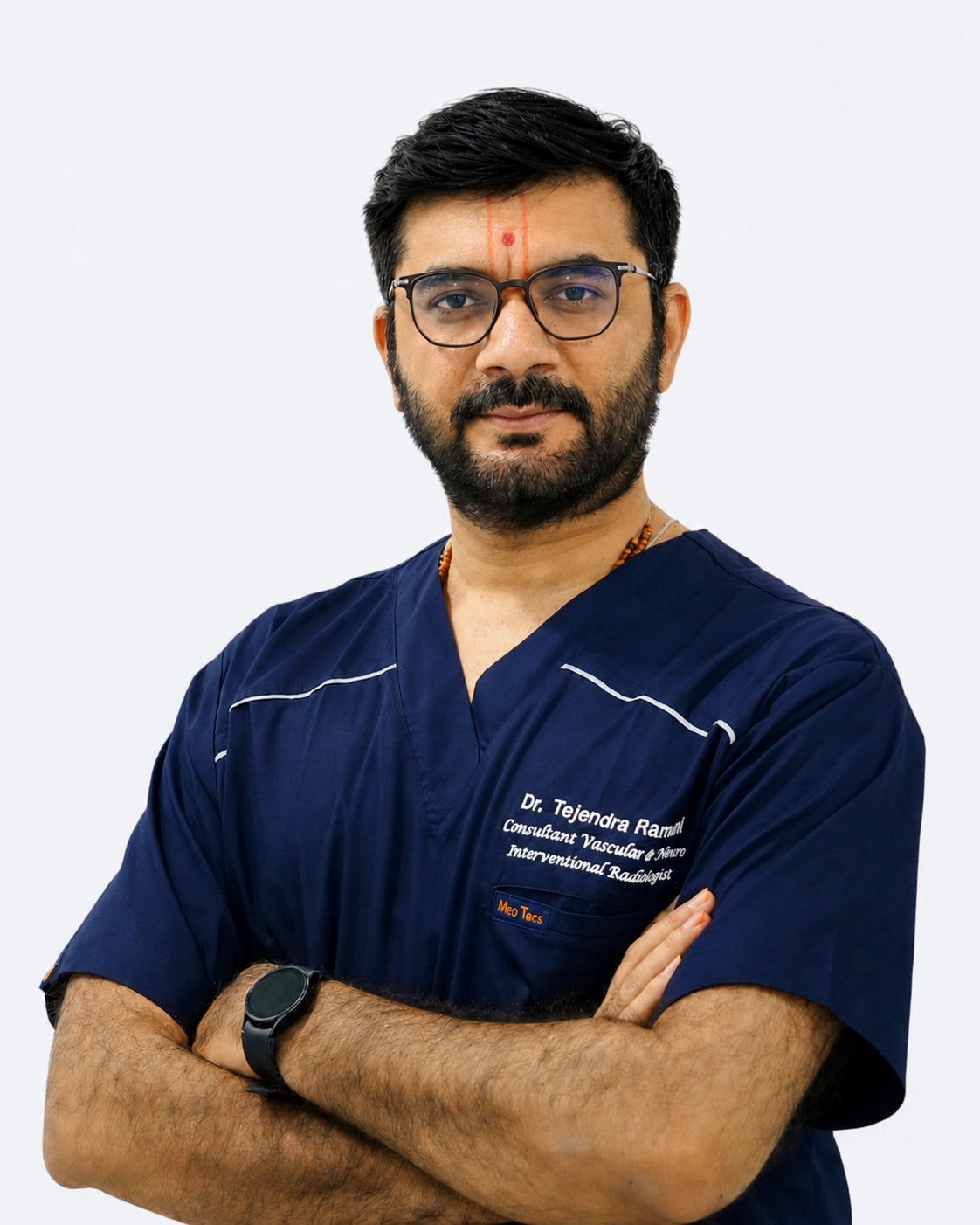
Dr. Tejendra Ramani
Consultant Interventional Radiologist
Vascular · Neuro ·
Image-Guided Interventions
MD (Gold Medalist) Neuro & Vascular Interventional Specialist NIMHANS-trained Neuro Intervention, PhD Scholar
View Full Profile