AV Fistuloplasty & Dialysis Access Salvage
Advanced Treatment to Restore and Preserve Dialysis Access. For patients undergoing hemodialysis, a well-functioning vascular access is essential for effective treatment. Over time, arteriovenous (AV) fistulas and grafts can develop narrowing (stenosis), blockages, or clotting, leading to reduced blood flow and dialysis complications. AV Fistuloplasty and Dialysis Access Salvage are minimally invasive procedures designed to restore access function, improve blood flow, and help patients continue dialysis without interruption.
Our vascular and interventional specialists provide expert dialysis access management using advanced imaging and endovascular techniques to preserve existing access sites and reduce the need for surgical revision.
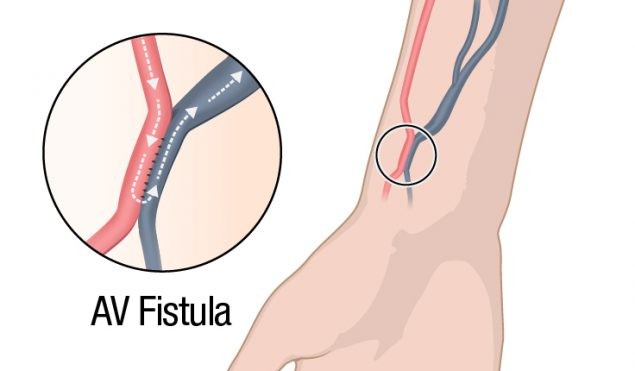
What is an AV Fistula?
An Arteriovenous (AV) Fistula is a surgically created connection between an artery and a vein, usually in the arm, to provide reliable access for hemodialysis. AV fistulas are considered the preferred dialysis access because they are durable, have lower infection rates, and provide excellent blood flow for dialysis treatment.
However, over time, narrowing or blockage can occur, affecting the performance of the fistula.
What is AV Fistuloplasty?
AV Fistuloplasty, also known as dialysis access angioplasty, is a minimally invasive procedure used to widen narrowed segments of an AV fistula or graft. A small balloon catheter is inserted into the affected blood vessel and inflated to restore normal blood flow.
This procedure helps maintain a functional dialysis access and prevents access failure.
What is Dialysis Access Salvage?
Dialysis Access Salvage refers to a group of endovascular procedures used to restore a malfunctioning or blocked dialysis access. These treatments help avoid the loss of an existing fistula or graft and reduce the need for creating a new access site.
Salvage procedures may include:
- Balloon angioplasty (fistuloplasty)
- Thrombectomy (clot removal)
- Thrombolysis (clot dissolution)
- Stent placement
- Central vein angioplasty
- Access flow restoration procedures
Signs of Dialysis Access Problems
Patients should seek evaluation if they experience:
- Reduced dialysis efficiency
- Difficulty during dialysis sessions
- Prolonged bleeding after dialysis
- Swelling of the arm or hand
- Weak or absent thrill (vibration) over the fistula
- Increased venous pressure during dialysis
- Pain around the access site
- Recurrent clotting of the fistula or graft
Early intervention can prevent complete access failure.
Causes of AV Fistula Dysfunction
Common causes include:
- Venous stenosis (narrowing of veins)
- Blood clot formation (thrombosis)
- Scar tissue development
- Central vein obstruction
- Repeated needle punctures
- Progressive vascular disease
Regular monitoring helps identify these issues before serious complications occur.
How AV Fistuloplasty is Performed
AV Fistuloplasty is a minimally invasive procedure performed under local anesthesia with imaging guidance.
Procedure Steps
Minimally invasive · Short duration
- Local anesthesia is administered.
- A small catheter is inserted into the dialysis access.
- Contrast imaging identifies narrowed or blocked areas.
- A balloon catheter is positioned across the stenosis.
- The balloon is inflated to widen the vessel.
- Blood flow is restored and confirmed through imaging.
The procedure is usually completed within a short period and often allows patients to resume dialysis quickly.
Benefits of AV Fistuloplasty and Dialysis Access Salvage
Advanced Dialysis Access Salvage Procedures
Thrombectomy
Clot Removal
Mechanical removal of blood clots that obstruct dialysis access.
Catheter-Directed Thrombolysis
Clot Dissolution
Targeted clot-dissolving medications are delivered directly into the clot.
Stent Placement
Keep Veins Open
A vascular stent may be inserted to keep narrowed veins open and maintain long-term blood flow.
Central Venous Angioplasty
Treat Central Vein Narrowing
Treatment of narrowing in major veins that affect dialysis access function.
Recovery After the Procedure
Recovery is generally quick, with most patients returning to normal activities within a short time.
After treatment, patients may be advised to:
- Monitor access function regularly
- Attend scheduled follow-up visits
- Report any changes in thrill or blood flow
- Follow dialysis care instructions carefully
- Maintain good vascular health
Regular surveillance helps prolong the life of the dialysis access.
Why Choose Our Dialysis Access Program?
We provide comprehensive dialysis access evaluation, maintenance, and salvage services using advanced interventional techniques.
Ready to Consult Dr. Tejendra Ramani?
Book your appointment today and get expert vascular care in Kutch.
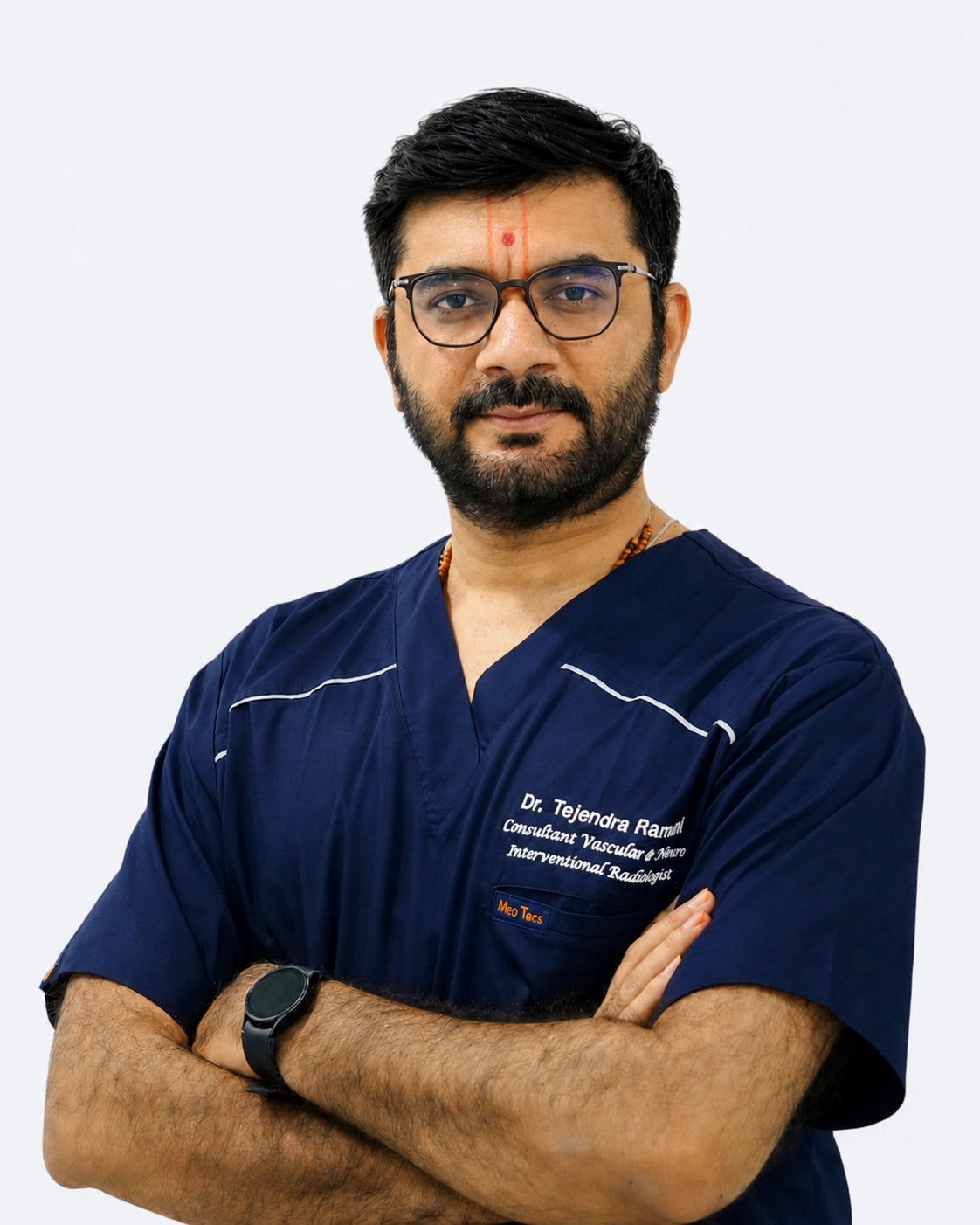
Dr. Tejendra Ramani
Consultant Interventional Radiologist
Vascular · Neuro ·
Image-Guided Interventions
MD (Gold Medalist) Neuro & Vascular Interventional Specialist NIMHANS-trained Neuro Intervention, PhD Scholar
View Full Profile