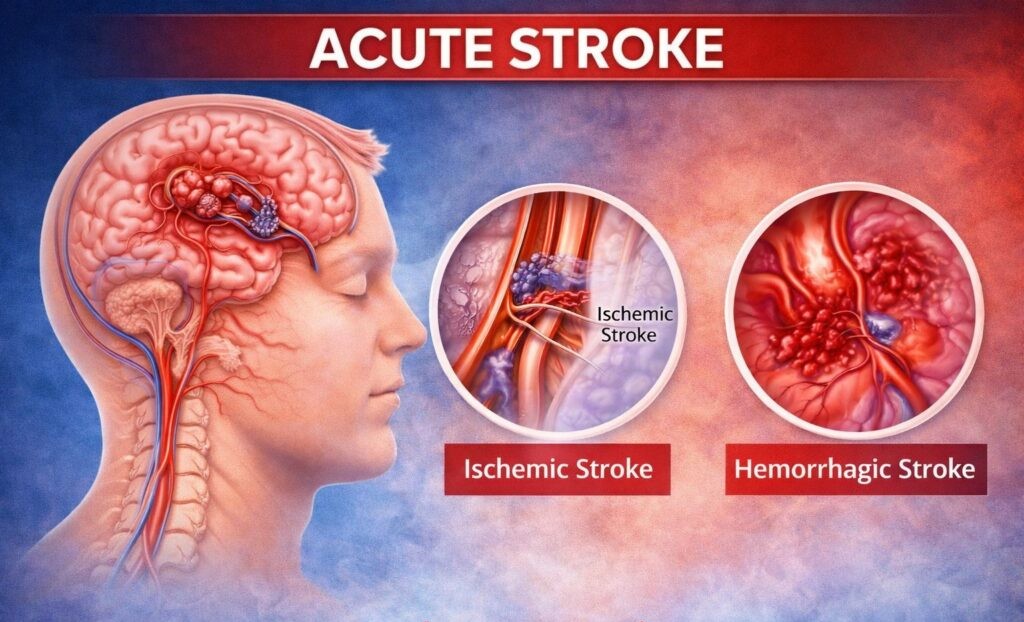
Diagnostic Cerebral Angiography
Advanced Brain Blood Vessel Imaging for Accurate Neurological Diagnosis. Diagnostic Cerebral Angiography is a highly specialized imaging procedure used to examine the blood vessels of the brain, head, and neck. Considered the gold standard for evaluating cerebrovascular conditions, this minimally invasive procedure provides detailed, high-resolution images that help diagnose abnormalities such as aneurysms, arteriovenous malformations (AVMs), stroke-related vascular diseases, and other neurological conditions.
Our neurointerventional and vascular specialists utilize advanced angiography technology to deliver precise diagnoses and develop effective treatment plans for complex brain and vascular disorders.
What is Diagnostic Cerebral Angiography?
Diagnostic Cerebral Angiography, also known as Digital Subtraction Angiography (DSA), is an imaging procedure that uses a contrast dye and real-time X-ray technology to visualize blood flow within the arteries and veins of the brain.
A thin catheter is guided through the blood vessels to the arteries supplying the brain, where contrast dye is injected to obtain detailed images of the cerebral circulation.
This procedure provides information that may not be visible on CT scans, MRI scans, or other imaging studies.
Why is Cerebral Angiography Performed?
Diagnostic Cerebral Angiography is commonly recommended to evaluate:
- Brain aneurysms
- Arteriovenous Malformations (AVMs)
- Dural Arteriovenous Fistulas (DAVFs)
- Stroke and transient ischemic attacks (TIA)
- Carotid artery disease
- Intracranial arterial stenosis
- Vascular tumors
- Brain hemorrhage causes
- Cerebral vasculitis
- Complex cerebrovascular abnormalities
It also plays a crucial role in treatment planning for neurovascular interventions.
Symptoms That May Require Cerebral Angiography
Your doctor may recommend cerebral angiography if you experience:
- Sudden severe headaches
- Unexplained neurological symptoms
- Stroke-like symptoms
- Vision disturbances
- Seizures
- Dizziness or balance problems
- Weakness or numbness
- Recurrent transient ischemic attacks (TIAs)
- Suspicion of brain aneurysm or vascular malformation
The procedure helps identify the underlying cause and guides appropriate treatment.
Conditions Diagnosed with Cerebral Angiography
Brain Aneurysms
Detect Abnormal Bulges
Detects abnormal bulges in brain arteries that may rupture and cause bleeding.
Arteriovenous Malformations (AVMs)
Identify Abnormal Connections
Identifies abnormal connections between arteries and veins within the brain.
Dural Arteriovenous Fistulas (DAVFs)
Evaluate Vascular Connections
Evaluates abnormal vascular connections in the coverings of the brain.
Cerebrovascular Stenosis
Assess Vessel Narrowing
Assesses narrowing of blood vessels that may increase stroke risk.
Stroke Evaluation
Detailed Blood Vessel Assessment
Provides detailed information about blood vessel blockages and circulation patterns.
How Diagnostic Cerebral Angiography is Performed
The procedure is performed under local anesthesia using advanced imaging guidance.
Procedure Steps
Minimally invasive · 1–2 hours
- Local anesthesia is administered at the catheter insertion site.
- A small catheter is inserted through an artery in the wrist or groin.
- The catheter is carefully guided to the blood vessels supplying the brain.
- Contrast dye is injected into the arteries.
- High-resolution X-ray images are captured in real time.
- The catheter is removed, and pressure is applied to the insertion site.
The procedure is typically completed within one to two hours.
Benefits of Diagnostic Cerebral Angiography
Recovery After Cerebral Angiography
Most patients recover quickly and can return home the same day or after a short observation period.
After the procedure, patients may be advised to:
- Rest for several hours
- Stay well hydrated
- Avoid strenuous activities for a short period
- Monitor the catheter insertion site
- Attend follow-up appointments as recommended
The healthcare team provides detailed recovery instructions to ensure a safe and comfortable recovery.
Why Choose Our Neurovascular Imaging Services?
We offer advanced diagnostic and neurovascular imaging services using cutting-edge angiography systems and expert clinical care.
Ready to Consult Dr. Tejendra Ramani?
Book your appointment today and get expert vascular care in Kutch.
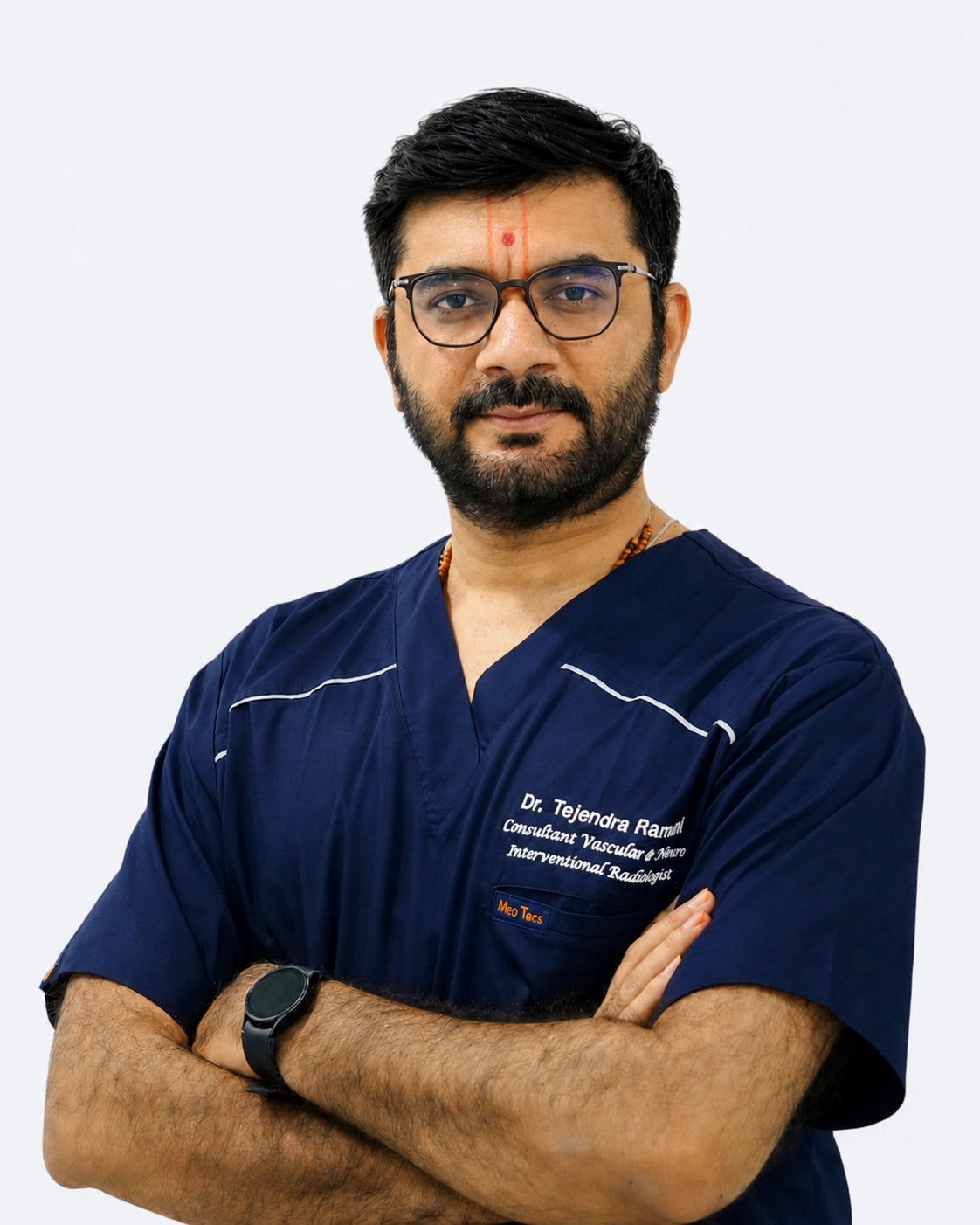
Dr. Tejendra Ramani
Consultant Interventional Radiologist
Vascular · Neuro ·
Image-Guided Interventions
MD (Gold Medalist) Neuro & Vascular Interventional Specialist NIMHANS-trained Neuro Intervention, PhD Scholar
View Full Profile