Peripheral Arterial Disease (PAD) Treatment
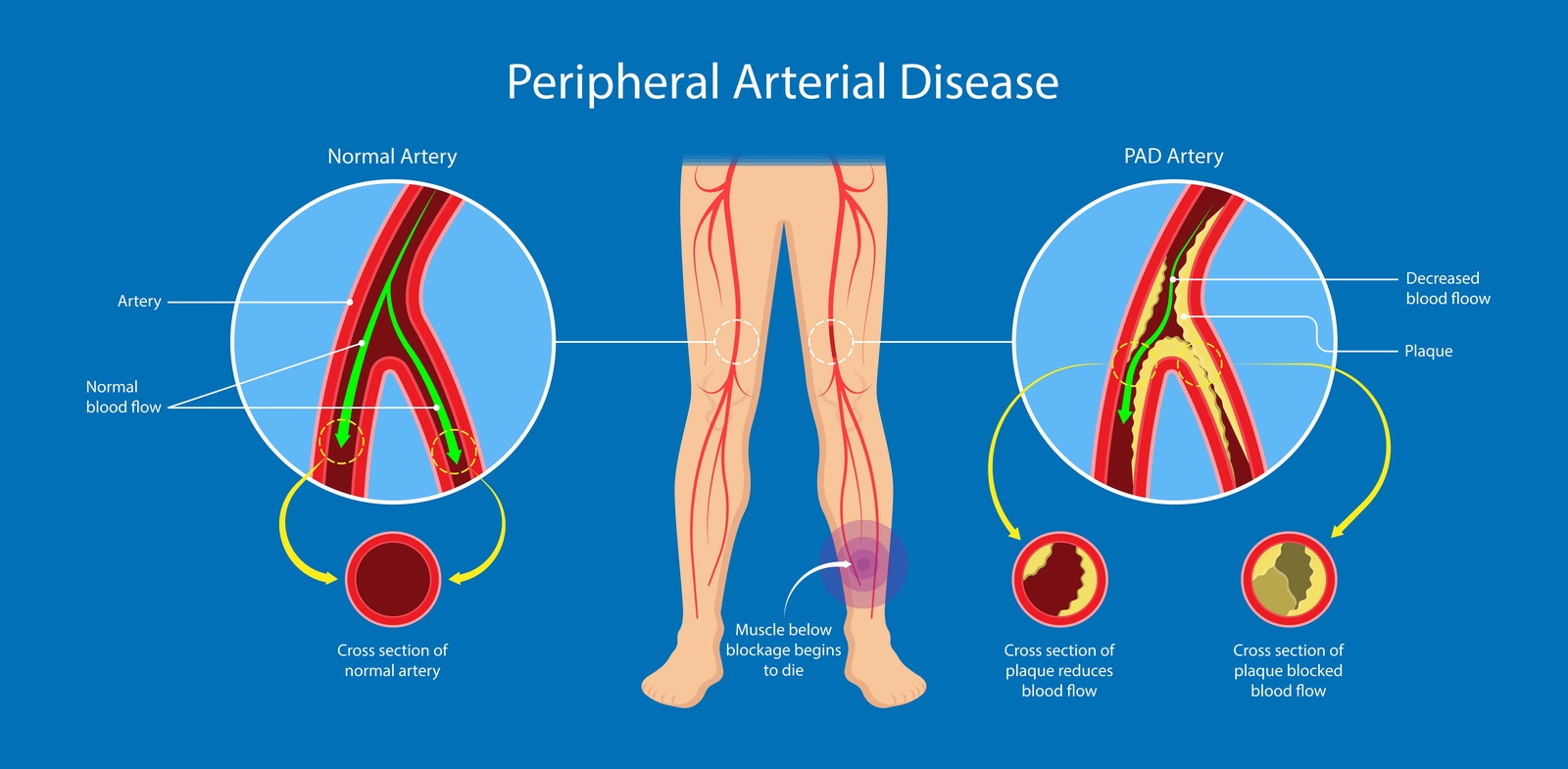
Peripheral Arterial Disease (PAD) is a common circulatory condition that occurs when arteries become narrowed or blocked due to plaque buildup, reducing blood flow to the limbs, especially the legs. Early diagnosis and timely treatment are essential to prevent complications and improve quality of life.
Our vascular specialists provide comprehensive Peripheral Arterial Disease treatment using advanced diagnostic techniques and minimally invasive procedures to restore healthy blood circulation and help patients return to an active lifestyle.
What is Peripheral Arterial Disease?
Peripheral Arterial Disease develops when fatty deposits (atherosclerosis) accumulate inside the arteries, causing narrowing and restricting blood flow. While PAD most commonly affects the legs, it can also impact arteries supplying blood to the arms, kidneys, and other organs.
Reduced circulation can result in pain, mobility issues, and delayed wound healing, particularly in individuals with diabetes and other cardiovascular risk factors.
Symptoms of Peripheral Arterial Disease
Common signs and symptoms of PAD include:
- Leg pain or cramping while walking (claudication)
- Pain that improves with rest
- Numbness or weakness in the legs
- Coldness in the lower leg or foot
- Slow-healing wounds or ulcers
- Shiny skin or hair loss on the legs
- Changes in skin color
- Reduced pulse in the feet
- Severe leg pain even during rest
Causes and Risk Factors
Several factors increase the risk of developing Peripheral Arterial Disease, including:
- Smoking
- Diabetes
- High blood pressure
- High cholesterol
- Obesity
- Sedentary lifestyle
- Advanced age
- Family history of cardiovascular disease
Diagnosis of Peripheral Arterial Disease
Accurate diagnosis helps determine the severity of arterial blockage and the most effective treatment approach. Diagnostic tests may include:
- Ankle-Brachial Index (ABI)
- Doppler Ultrasound
- CT Angiography
- MR Angiography
- Peripheral Angiography
- Vascular Imaging Studies
Peripheral Arterial Disease Treatment Options
Lifestyle Modifications
For early-stage PAD, lifestyle changes can significantly improve symptoms and overall vascular health. Recommended measures include:
- Smoking cessation
- Regular exercise and walking programs
- Healthy heart-friendly diet
- Weight management
- Blood sugar control for diabetic patients
- Cholesterol and blood pressure management
Medications
Medications may be prescribed to prevent blood clots, lower cholesterol levels, improve circulation, control blood pressure, and manage diabetes.
Minimally Invasive Endovascular Treatment
When arterial narrowing becomes significant, minimally invasive procedures may be recommended.
Benefits of Early PAD Treatment
- Improved blood circulation
- Relief from leg pain and cramping
- Faster healing of wounds and ulcers
- Reduced risk of limb loss
- Enhanced mobility and physical activity
- Better cardiovascular health
- Improved quality of life
Why Choose Our PAD Treatment Program?
We offer personalized care for patients with Peripheral Arterial Disease using advanced diagnostic tools and state-of-the-art vascular treatments.
Ready to Consult Dr. Tejendra Ramani?
Book your appointment today and get expert vascular care in Kutch.

Dr. Tejendra Ramani
Consultant Interventional Radiologist
Vascular · Neuro ·
Image-Guided Interventions
MD (Gold Medalist) Neuro & Vascular Interventional Specialist NIMHANS-trained Neuro Intervention, PhD Scholar
View Full Profile