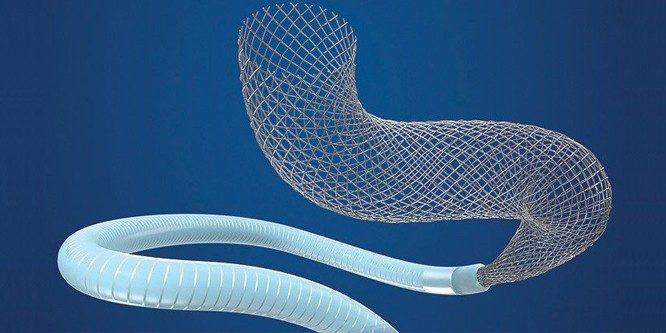
Neurovascular Embolization
Advanced Minimally Invasive Treatment for Brain and Spinal Vascular Disorders. Neurovascular Embolization is a highly specialized, minimally invasive procedure used to treat abnormal blood vessels in the brain, head, neck, and spine. By selectively blocking abnormal blood flow, embolization can effectively manage conditions such as brain aneurysms, arteriovenous malformations (AVMs), dural arteriovenous fistulas (DAVFs), vascular tumors, and certain causes of brain hemorrhage.
Our neurointerventional specialists utilize cutting-edge imaging technology and advanced endovascular techniques to provide safe, precise, and effective treatment while minimizing the need for open brain surgery.
What is Neurovascular Embolization?
Neurovascular Embolization is an image-guided procedure in which a microcatheter is navigated through the blood vessels to the targeted area. Special embolic materials are then delivered to block abnormal blood vessels, reduce blood flow to a lesion, or prevent bleeding.
The procedure is performed through a small puncture in an artery, typically in the wrist or groin, making it a minimally invasive alternative to traditional surgical approaches.
Conditions Treated with Neurovascular Embolization
Neurovascular embolization is commonly used to treat:
Brain Aneurysms
Weak or Bulging Artery Walls
Weak or bulging areas in brain arteries that carry a risk of rupture and bleeding.
Arteriovenous Malformations (AVMs)
Abnormal Vessel Tangles
Abnormal tangles of arteries and veins that disrupt normal blood circulation.
Dural Arteriovenous Fistulas (DAVFs)
Abnormal Artery-Vein Connections
Abnormal connections between arteries and veins within the coverings of the brain and spinal cord.
Brain and Spinal Vascular Malformations
Complex Vascular Abnormalities
Complex vascular abnormalities that may cause neurological symptoms or bleeding.
Vascular Tumors
Pre-Surgical or Definitive Treatment
Certain highly vascular tumors can be treated or prepared for surgery through embolization.
Acute Bleeding and Hemorrhage
Bleeding Control
Embolization may be used to control active bleeding from abnormal blood vessels.
Symptoms That May Require Evaluation
Patients with neurovascular disorders may experience:
- Severe or recurring headaches
- Sudden neurological deficits
- Seizures
- Vision disturbances
- Pulsatile tinnitus (whooshing sound in the ear)
- Weakness or numbness
- Brain hemorrhage
- Stroke-like symptoms
- Balance or coordination problems
Early diagnosis and treatment can significantly reduce the risk of complications.
How Neurovascular Embolization is Performed
The procedure is performed in a specialized neurointerventional suite with continuous imaging guidance.
Procedure Steps
Image-Guided Endovascular Treatment
- Local anesthesia and sedation or general anesthesia may be administered.
- A catheter is inserted into an artery through a small skin puncture.
- Advanced imaging guidance is used to navigate a microcatheter to the targeted blood vessel.
- Embolic materials are delivered to block or reduce abnormal blood flow.
- Blood flow is reassessed using angiography.
- The catheter is removed, and the access site is closed.
Types of Embolic Materials Used
Depending on the condition being treated, various embolic agents may be used, including:
- Detachable coils
- Liquid embolic agents
- Medical adhesives
- Particles and microspheres
- Flow-diverting devices
- Vascular plugs
The choice of material depends on the size, location, and complexity of the vascular abnormality.
Benefits of Neurovascular Embolization
Recovery After Neurovascular Embolization
Recovery varies depending on the condition being treated and the complexity of the procedure.
Patients may be advised to:
- Rest for a short period after treatment
- Stay well hydrated
- Avoid strenuous activities temporarily
- Attend follow-up imaging evaluations
- Follow prescribed medication plans
Most patients experience a quicker recovery compared to traditional neurosurgical procedures.
Why Choose Our Neurovascular Embolization Program?
We offer comprehensive neurovascular care using the latest endovascular technologies and evidence-based treatment strategies.
Comprehensive Neurovascular Services
Our neurovascular team provides diagnosis and treatment for:
- Brain aneurysms
- Arteriovenous malformations (AVMs)
- Dural arteriovenous fistulas (DAVFs)
- Stroke-related vascular conditions
- Vascular tumors
- Intracranial hemorrhage
- Cerebrovascular abnormalities
We work closely with neurologists, neurosurgeons, and critical care specialists to ensure coordinated patient care.
Ready to Consult Dr. Tejendra Ramani?
Book your appointment today and get expert vascular care in Kutch.

Dr. Tejendra Ramani
Consultant Interventional Radiologist
Vascular · Neuro ·
Image-Guided Interventions
MD (Gold Medalist) Neuro & Vascular Interventional Specialist NIMHANS-trained Neuro Intervention, PhD Scholar
View Full Profile