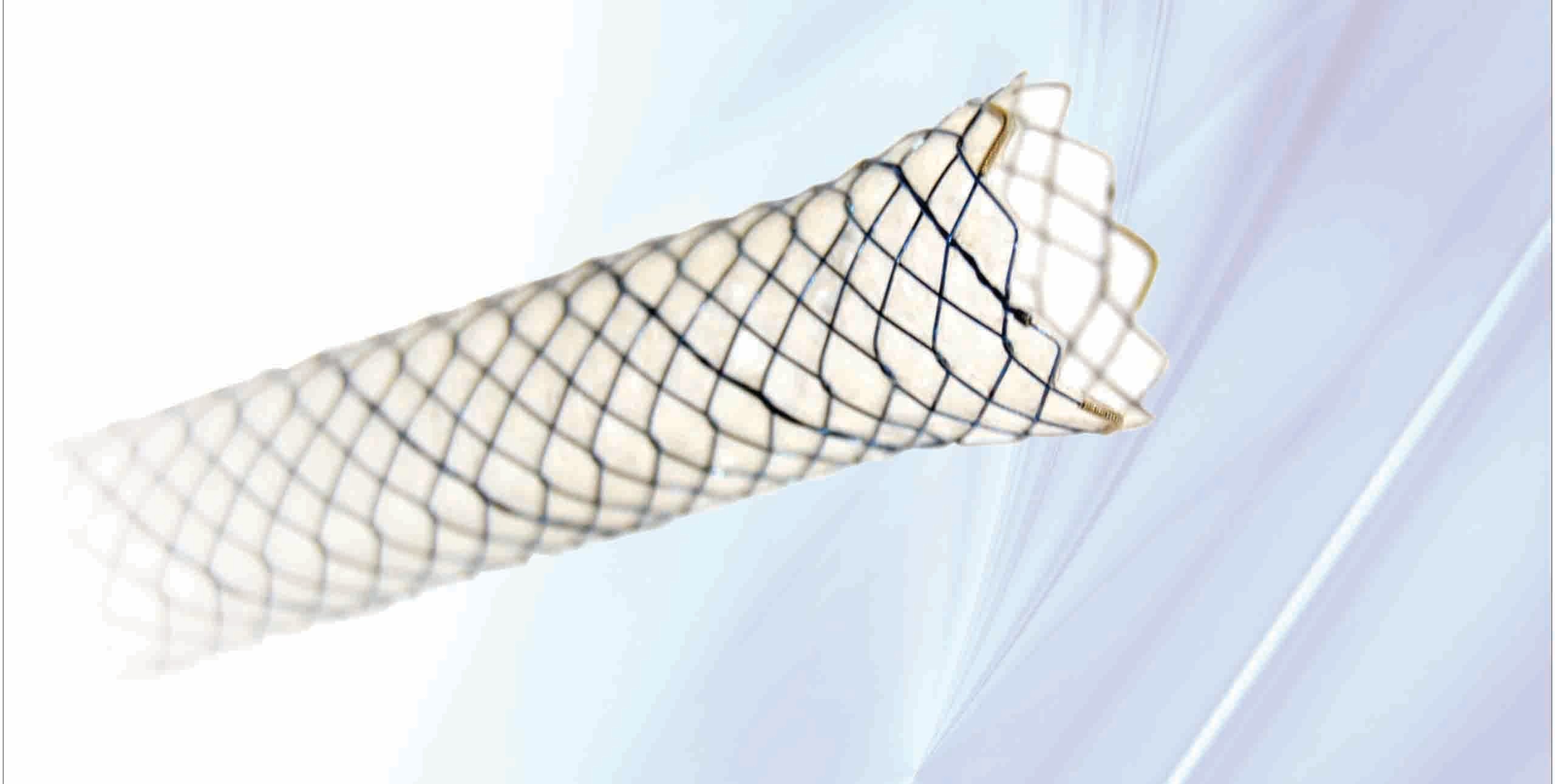
Biliary Stenting
Advanced Minimally Invasive Treatment for Bile Duct Obstruction. Biliary Stenting is a minimally invasive, image-guided procedure used to open blocked or narrowed bile ducts and restore the normal flow of bile from the liver to the intestine. This advanced treatment helps relieve symptoms such as jaundice, itching, abdominal discomfort, and infection while improving liver function and overall quality of life.
Our interventional radiology specialists provide expert biliary stenting procedures using advanced imaging technology to effectively manage both benign and malignant biliary obstructions.
What is Biliary Stenting?
A biliary stent is a small tube made of metal or plastic that is placed inside a narrowed or blocked bile duct to keep it open. The stent allows bile to flow freely from the liver into the small intestine, preventing bile buildup and reducing the risk of complications.
Biliary stenting is commonly performed as an alternative to surgery or when surgical treatment is not possible.
Why Do Bile Ducts Become Blocked?
Bile duct obstruction can occur due to a variety of conditions, including:
- Cholangiocarcinoma (Bile Duct Cancer)
- Pancreatic Cancer
- Gallbladder Cancer
- Liver Tumors
- Metastatic Cancer
- Benign Biliary Strictures
- Gallstones
- Post-Surgical Scarring
- Chronic Pancreatitis
- Inflammatory Biliary Diseases
Prompt treatment is important to prevent liver damage and serious infections.
Symptoms of Bile Duct Obstruction
Patients with blocked bile ducts may experience:
- Jaundice (yellowing of the skin and eyes)
- Dark-colored urine
- Pale stools
- Severe itching
- Abdominal pain
- Fever and chills
- Nausea and vomiting
- Loss of appetite
- Weight loss
- Fatigue
These symptoms often improve significantly after successful stent placement.
How is Biliary Stenting Performed?
Biliary stenting is typically performed using image-guided interventional radiology techniques or in conjunction with biliary drainage procedures.
Procedure Steps
Minimally invasive · Image-guided
- Local anesthesia and sedation are administered.
- Imaging guidance is used to access the biliary system.
- A guidewire is advanced across the narrowed or blocked bile duct.
- The narrowed segment may be widened using a balloon if necessary.
- A stent is positioned across the obstruction.
- The stent expands to keep the bile duct open.
- Bile flow is restored to the intestine.
The procedure is performed with precision using fluoroscopy and other advanced imaging technologies.
Types of Biliary Stents
Metal Stents
Long-Term Drainage
Metal stents are self-expanding and provide long-term drainage for many patients, particularly those with cancer-related biliary obstruction.
Plastic Stents
Temporary Drainage
Plastic stents are commonly used for temporary drainage and may require periodic replacement.
The choice of stent depends on the underlying condition, expected duration of treatment, and patient-specific factors.
Conditions Treated with Biliary Stenting
Biliary stenting is commonly used for:
Malignant Biliary Obstruction
Cancer-Related Blockage
- Cholangiocarcinoma
- Pancreatic Cancer
- Gallbladder Cancer
Benign Biliary Strictures
Non-Cancerous Narrowing
- Recurrent Bile Duct Narrowing
- Post-Surgical Biliary Complications
- Chronic Bile Duct Blockage
Benefits of Biliary Stenting
Recovery After Biliary Stenting
Most patients experience symptom improvement within a few days after the procedure.
Recovery typically involves:
- Short-term observation
- Follow-up imaging if required
- Monitoring of liver function tests
- Regular medical follow-up
Most patients can return to normal daily activities shortly after recovery.
Biliary Stenting for Cancer Care
For patients with pancreatic cancer, bile duct cancer, gallbladder cancer, or metastatic tumors, biliary stenting can play an important role in symptom management and treatment planning.
Benefits include:
- Relief of obstructive jaundice
- Improved liver function
- Better tolerance of chemotherapy
- Enhanced comfort and quality of life
- Reduced risk of biliary infections
Why Choose Our Biliary Intervention Services?
We offer comprehensive care for biliary disorders using advanced interventional radiology techniques and state-of-the-art imaging systems.
Ready to Consult Dr. Tejendra Ramani?
Book your appointment today and get expert vascular care in Kutch.

Dr. Tejendra Ramani
Consultant Interventional Radiologist
Vascular · Neuro ·
Image-Guided Interventions
MD (Gold Medalist) Neuro & Vascular Interventional Specialist NIMHANS-trained Neuro Intervention, PhD Scholar
View Full Profile