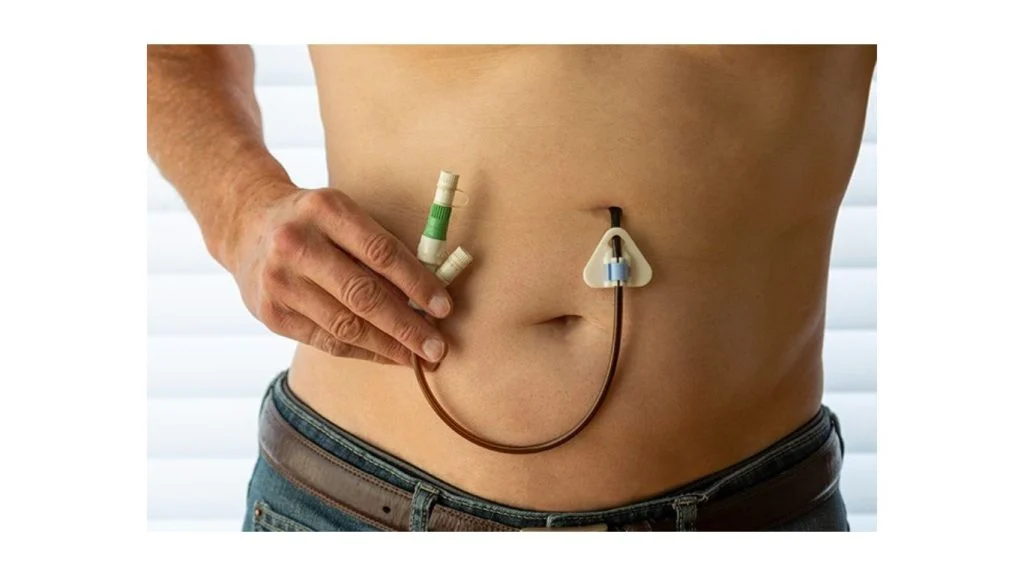
Gastrostomy
Safe and Minimally Invasive Feeding Tube Placement for Long-Term Nutritional Support. Gastrostomy is a minimally invasive procedure used to place a feeding tube directly into the stomach for patients who are unable to eat or swallow adequately. This procedure provides long-term nutritional support, hydration, and medication delivery while improving patient comfort and quality of life.
Our interventional radiology specialists perform image-guided gastrostomy tube placements using advanced techniques to ensure safe, accurate, and effective nutritional access for both adults and children.
What is a Gastrostomy?
A gastrostomy is a procedure in which a feeding tube is inserted through the abdominal wall directly into the stomach. The tube allows nutrition, fluids, and medications to be delivered safely when oral intake is insufficient or impossible.
Gastrostomy tubes are commonly recommended for patients who require long-term enteral feeding support.
Why is a Gastrostomy Needed?
A gastrostomy may be recommended when a patient cannot safely swallow food or maintain adequate nutrition by mouth.
Common indications include:
- Stroke-related swallowing difficulties
- Neurological disorders
- Head and neck cancers
- Esophageal obstruction
- Traumatic brain injury
- Parkinson's disease
- Multiple sclerosis
- Motor neuron disease
- Cerebral palsy
- Severe malnutrition
- Chronic aspiration risk
The procedure helps maintain proper nutrition and supports overall health and recovery.
Types of Gastrostomy Procedures
Percutaneous Radiologic Gastrostomy (PRG)
Image-Guided by Interventional Radiology
An image-guided procedure performed by interventional radiologists using fluoroscopy and other imaging technologies.
Percutaneous Endoscopic Gastrostomy (PEG)
Endoscope-Guided Placement
A feeding tube is placed using an endoscope passed through the mouth into the stomach.
Surgical Gastrostomy
Open Surgical Approach
Performed when minimally invasive approaches are not suitable.
The most appropriate technique depends on the patient's medical condition and anatomical considerations.
How is a Gastrostomy Performed?
Step 1: Pre-Procedure Evaluation
Assess Patient Suitability
The patient undergoes clinical assessment and imaging review to determine suitability for the procedure.
Step 2: Local Anesthesia and Sedation
Ensure Patient Comfort
The procedure is usually performed with local anesthesia and mild sedation for comfort.
Step 3: Image-Guided Tube Placement
Accurate Tube Insertion
Using fluoroscopic or ultrasound guidance, the feeding tube is accurately inserted into the stomach through a small incision in the abdomen.
Step 4: Position Confirmation
Verify Correct Placement
Imaging is used to confirm correct tube placement before feeding is initiated.
The procedure is typically completed within a short period and requires minimal recovery time.
Benefits of Gastrostomy
Conditions Commonly Treated
Gastrostomy is commonly used for patients with:
Neurological Disorders
Swallowing Difficulties
- Stroke
- Parkinson's Disease
- Multiple Sclerosis
- Amyotrophic Lateral Sclerosis (ALS)
Cancer-Related Feeding Difficulties
Head, Neck, and Esophageal Cancer
- Head and Neck Cancer
- Esophageal Cancer
- Oral Cavity Tumors
Pediatric Conditions
Children's Swallowing Disorders
- Cerebral Palsy
- Congenital Swallowing Disorders
- Developmental Disabilities
Chronic Medical Conditions
Long-Term Feeding Needs
- Severe Malnutrition
- Long-Term Swallowing Disorders
- Recurrent Aspiration
Recovery After Gastrostomy
Most patients recover quickly following tube placement.
Recovery typically includes:
- Short observation period
- Feeding tube care education
- Gradual initiation of feeding
- Follow-up appointments to assess tube function
Most patients can resume routine care shortly after the procedure.
Gastrostomy Tube Care
Proper care is essential for maintaining tube function and preventing complications.
Important aspects include:
- Daily cleaning of the insertion site
- Regular tube flushing
- Monitoring for signs of infection
- Proper feeding techniques
- Scheduled tube replacement when required
Our team provides detailed education and ongoing support for patients and caregivers.
Is Gastrostomy Safe?
Gastrostomy is considered a safe and effective procedure when performed by experienced specialists. Image guidance enhances accuracy and reduces the risk of complications.
Potential complications are uncommon and may include:
- Minor bleeding
- Infection
- Tube blockage
- Tube displacement
- Skin irritation around the insertion site
Regular follow-up helps ensure long-term success.
Why Choose Our Gastrostomy Services?
We offer advanced image-guided gastrostomy procedures with a focus on patient safety, comfort, and long-term nutritional support.
Ready to Consult Dr. Tejendra Ramani?
Book your appointment today and get expert vascular care in Kutch.

Dr. Tejendra Ramani
Consultant Interventional Radiologist
Vascular · Neuro ·
Image-Guided Interventions
MD (Gold Medalist) Neuro & Vascular Interventional Specialist NIMHANS-trained Neuro Intervention, PhD Scholar
View Full Profile