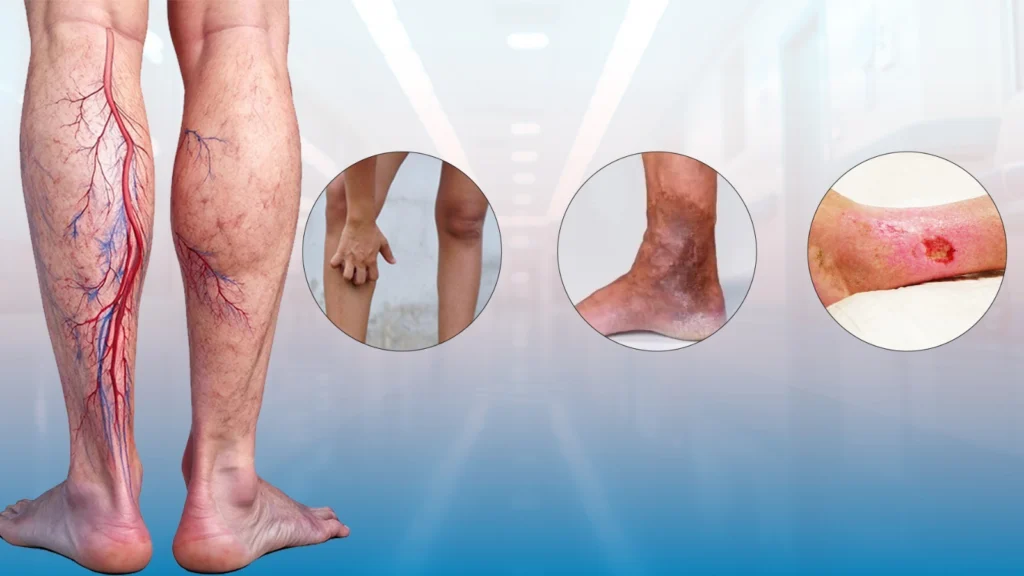
Varicose Vein Interventions
Advanced Minimally Invasive Treatment for Varicose Veins. Varicose veins are enlarged, twisted, and swollen veins that commonly develop in the legs due to weakened or damaged vein valves. While often considered a cosmetic concern, untreated varicose veins can lead to discomfort, swelling, skin changes, venous ulcers, and other complications. Modern varicose vein interventions offer safe, effective, and minimally invasive solutions to improve circulation, relieve symptoms, and enhance the appearance of the legs.
Our vascular and interventional specialists provide comprehensive diagnosis and advanced treatment options tailored to each patient's condition, ensuring optimal outcomes with minimal downtime.
What Are Varicose Veins?
Varicose veins occur when the valves inside the veins fail to function properly, causing blood to pool within the veins. This increased pressure leads to enlarged, bulging veins that are visible beneath the skin.
Varicose veins most commonly affect the legs because standing and walking increase pressure in the lower limb veins.
Symptoms of Varicose Veins
Common signs and symptoms include:
- Bulging, twisted veins visible under the skin
- Leg pain or aching
- Heaviness in the legs
- Swelling of the ankles and feet
- Burning or throbbing sensation
- Muscle cramps, especially at night
- Itching around affected veins
- Skin discoloration
- Restless legs
- Fatigue after prolonged standing
In advanced cases, venous ulcers and skin damage may develop.
Causes and Risk Factors
Several factors increase the likelihood of developing varicose veins:
- Family history of venous disease
- Aging
- Pregnancy
- Obesity
- Prolonged standing or sitting
- Sedentary lifestyle
- Hormonal changes
- Previous vein injury
- Female gender
Understanding risk factors can help with prevention and early treatment.
Diagnosis of Varicose Veins
A comprehensive evaluation is necessary to determine the severity of venous disease and identify underlying vein dysfunction.
Diagnostic tests may include:
- Clinical vascular examination
- Venous Doppler Ultrasound
- Vein mapping studies
- Assessment of venous reflux
These tests help create a personalized treatment plan.
Varicose Vein Treatment Options
Treatment is tailored to the severity of venous disease and patient preferences.
Conservative Management
Mild Cases · Non-Invasive
- Compression stockings
- Regular exercise
- Weight management
- Leg elevation
- Lifestyle modifications
Endovenous Laser Treatment (EVLT)
Laser Energy · Minimally Invasive
- EVLT uses laser energy to close abnormal veins.
- The treated vein gradually disappears.
- Blood is redirected to healthy veins.
- Minimal discomfort and quick recovery.
Radiofrequency Ablation (RFA)
Radiofrequency Energy · Minimally Invasive
- Radiofrequency energy is used to seal diseased veins.
- Improves circulation and relieves symptoms.
- Minimal discomfort with rapid recovery.
Ultrasound-Guided Foam Sclerotherapy
Foam Injection · Minimally Invasive
- A specialized foam solution is injected into affected veins.
- Causes veins to collapse.
- Veins are eventually absorbed by the body.
Venous Glue Closure (VenaSeal)
Medical Adhesive · No Heat
- A medical adhesive is used to close diseased veins.
- No heat or multiple injections required.
- Minimal discomfort and rapid recovery.
Microphlebectomy
Tiny Incisions · Cosmetic Results
- Small varicose veins are removed through tiny skin incisions.
- Provides excellent cosmetic results.
- Good functional outcomes.
Benefits of Minimally Invasive Varicose Vein Interventions
Recovery After Treatment
Recovery following varicose vein interventions is typically rapid.
Patients are usually encouraged to:
- Walk regularly after treatment
- Wear compression stockings as advised
- Avoid prolonged standing initially
- Attend follow-up appointments
- Maintain a healthy lifestyle
Most individuals can return to normal activities within a short period.
Potential Complications of Untreated Varicose Veins
Without treatment, varicose veins may lead to:
- Chronic venous insufficiency
- Venous ulcers
- Skin discoloration
- Blood clots
- Bleeding from superficial veins
- Persistent leg swelling
- Progressive discomfort and fatigue
Early treatment helps prevent these complications and improves overall vein health.
Why Choose Our Varicose Vein Treatment Program?
We offer advanced vein care using the latest minimally invasive technologies and evidence-based treatment approaches.
Ready to Consult Dr. Tejendra Ramani?
Book your appointment today and get expert vascular care in Kutch.
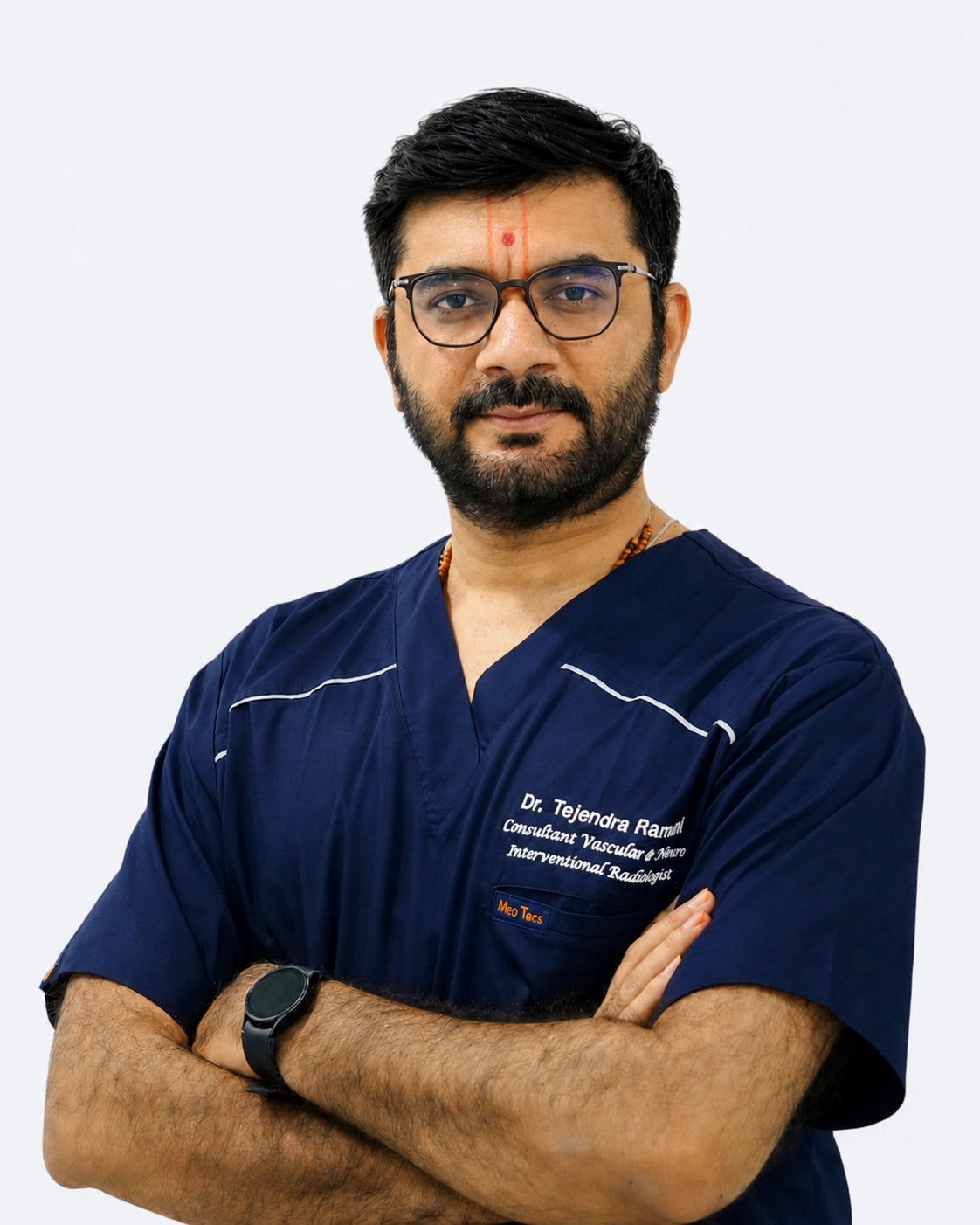
Dr. Tejendra Ramani
Consultant Interventional Radiologist
Vascular · Neuro ·
Image-Guided Interventions
MD (Gold Medalist) Neuro & Vascular Interventional Specialist NIMHANS-trained Neuro Intervention, PhD Scholar
View Full Profile