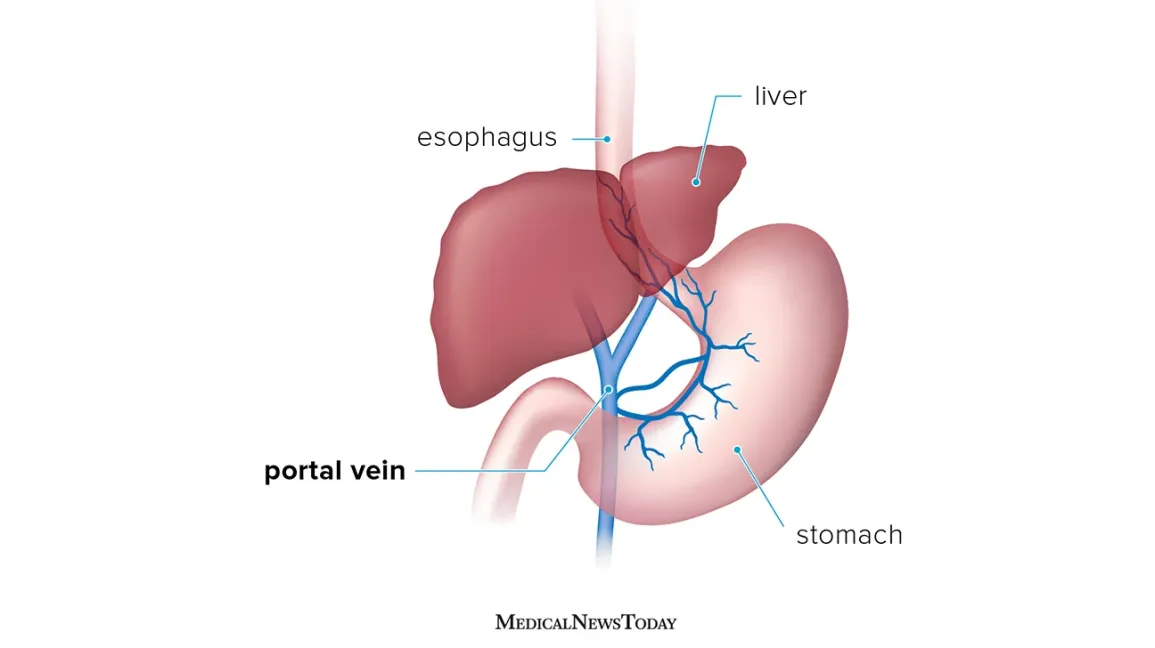
Portal Vein Interventions
Advanced Minimally Invasive Treatments for Portal Vein Disorders. Portal Vein Interventions are specialized image-guided procedures used to diagnose and treat conditions affecting the portal vein, the major blood vessel that carries nutrient-rich blood from the digestive organs to the liver. These minimally invasive interventions help restore normal blood flow, manage portal hypertension, treat portal vein blockages, and improve liver function while avoiding major surgery whenever possible.
Our interventional radiology specialists offer comprehensive portal vein interventions using advanced imaging technology and innovative endovascular techniques to provide effective, personalized care for patients with complex liver and vascular conditions.
What is the Portal Vein?
The portal vein is a vital blood vessel that transports blood from the stomach, intestines, pancreas, and spleen to the liver. The liver processes nutrients, removes toxins, and supports numerous metabolic functions.
When the portal vein becomes narrowed, blocked, or affected by abnormal pressure, serious complications can develop that require prompt medical attention.
Conditions Treated with Portal Vein Interventions
Portal vein interventions are commonly performed for:
Portal Vein Thrombosis (PVT)
Blood Clot in Portal Vein
A blood clot within the portal vein that restricts blood flow to the liver.
Portal Vein Stenosis
Narrowing of Portal Vein
Narrowing of the portal vein due to surgery, inflammation, tumors, or liver transplantation.
Portal Hypertension
Elevated Portal Pressure
Elevated pressure within the portal venous system, often caused by liver cirrhosis.
Chronic Liver Disease
Advanced Liver Disease
Portal vein abnormalities associated with advanced liver disease.
Post-Liver Transplant Complications
Transplant-Related Narrowing
Narrowing or blockage of the portal vein following liver transplantation.
Malignant Portal Vein Obstruction
Tumor-Related Compression
Tumor-related compression or invasion of the portal vein.
Mesenteric Venous Disorders
Intestinal-Liver Blood Flow Issues
Conditions affecting blood flow between the intestines and liver.
Symptoms of Portal Vein Disorders
Patients may experience:
- Abdominal swelling (ascites)
- Enlarged spleen
- Gastrointestinal bleeding
- Esophageal or gastric varices
- Abdominal pain
- Fatigue
- Liver dysfunction
- Jaundice
- Unexplained weight loss
- Recurrent digestive symptoms
Early diagnosis and treatment can help prevent serious complications.
Diagnostic Evaluation
Accurate diagnosis is essential before planning treatment.
Advanced imaging studies may include:
- Doppler Ultrasound
- CT Angiography
- MRI and MR Venography
- Portal Venography
- Liver Function Testing
- Diagnostic Angiography
These evaluations help determine the severity and location of the vascular abnormality.
Types of Portal Vein Interventions
Portal Vein Angioplasty
Balloon Widening of Narrowed Vein
A minimally invasive procedure that uses a balloon catheter to widen a narrowed segment of the portal vein and improve blood flow.
Portal Vein Stenting
Long-Term Patency Maintenance
A metal stent may be placed within the portal vein to maintain long-term patency and prevent recurrent narrowing.
Portal Vein Recanalization
Reopening Blocked Portal Veins
Used to reopen blocked portal veins caused by chronic thrombosis or occlusion.
Catheter-Directed Thrombolysis
Targeted Clot Dissolution
Targeted clot-dissolving medications are delivered directly into the clot to restore blood flow.
Mechanical Thrombectomy
Clot Removal Device
Specialized devices are used to remove blood clots from the portal vein.
TIPS (Transjugular Intrahepatic Portosystemic Shunt)
Portal Hypertension Reduction
In selected patients, TIPS may be combined with portal vein interventions to reduce portal hypertension and improve venous circulation.
Benefits of Portal Vein Interventions
Recovery After Portal Vein Intervention
Recovery depends on the specific procedure performed and the underlying condition.
Most patients benefit from:
- Short hospital observation
- Follow-up imaging examinations
- Regular monitoring of liver function
- Anticoagulation therapy when indicated
- Long-term surveillance of stents and treated vessels
Many patients experience significant improvement in symptoms and liver-related complications following treatment.
Portal Vein Interventions and Liver Disease
Portal vein interventions play an important role in managing patients with:
- Liver Cirrhosis
- Portal Hypertension
- Liver Transplant Complications
- Hepatobiliary Malignancies
- Chronic Portal Vein Thrombosis
By restoring blood flow and reducing pressure within the portal venous system, these procedures can improve outcomes and support ongoing liver care.
Why Choose Our Portal Vein Intervention Program?
We provide advanced vascular and liver-directed treatments through a multidisciplinary team of interventional radiologists, hepatologists, gastroenterologists, and transplant specialists.
Ready to Consult Dr. Tejendra Ramani?
Book your appointment today and get expert vascular care in Kutch.

Dr. Tejendra Ramani
Consultant Interventional Radiologist
Vascular · Neuro ·
Image-Guided Interventions
MD (Gold Medalist) Neuro & Vascular Interventional Specialist NIMHANS-trained Neuro Intervention, PhD Scholar
View Full Profile