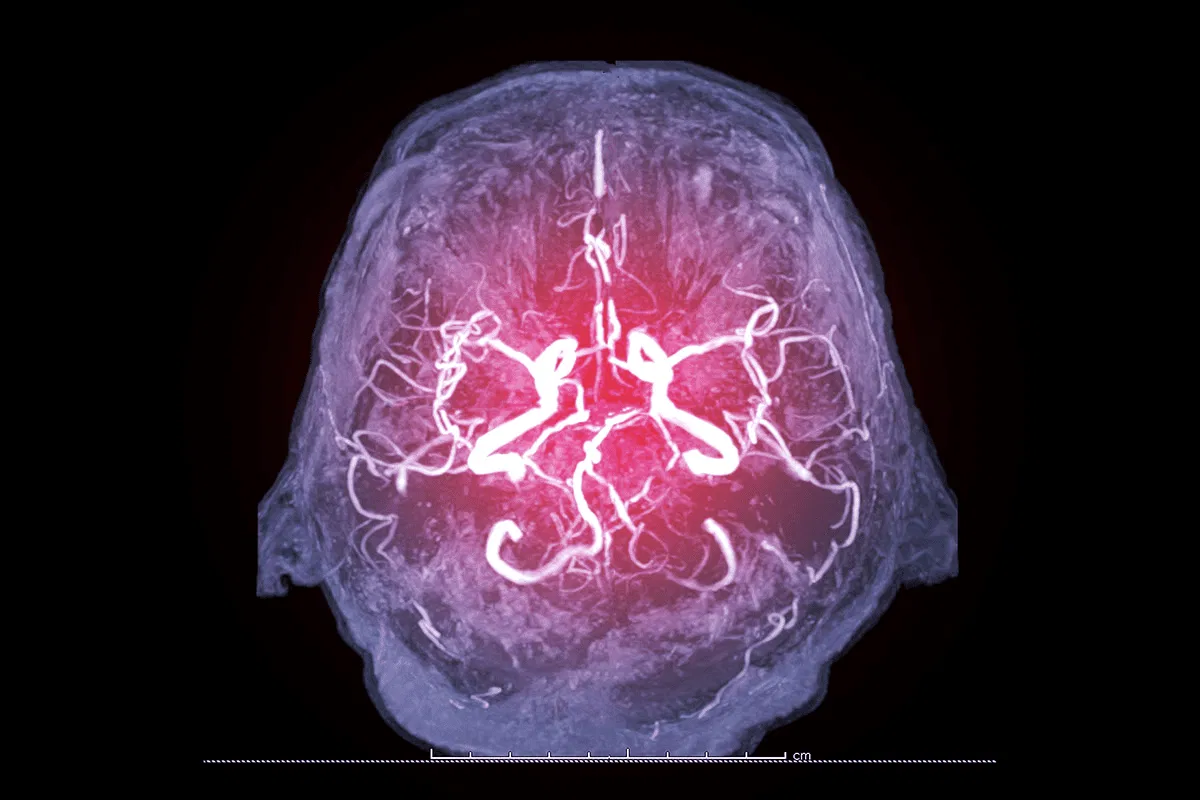
Carotid & Cerebrovascular Interventions
Advanced Minimally Invasive Treatments for Stroke Prevention and Brain Blood Vessel Disorders. Carotid and Cerebrovascular Interventions are specialized endovascular procedures designed to diagnose and treat diseases affecting the blood vessels that supply the brain. These minimally invasive treatments help restore healthy blood flow, reduce the risk of stroke, and manage complex cerebrovascular conditions without the need for major surgery.
Our neurointerventional and vascular specialists provide comprehensive care using advanced imaging technologies and state-of-the-art catheter-based techniques to ensure precise diagnosis, effective treatment, and improved patient outcomes.
What Are Carotid and Cerebrovascular Diseases?
Carotid and cerebrovascular diseases occur when blood vessels supplying the brain become narrowed, blocked, weakened, or abnormally connected. These conditions can reduce blood flow to the brain and significantly increase the risk of stroke, transient ischemic attacks (TIAs), and other neurological complications.
Early diagnosis and timely intervention are critical to preventing permanent brain damage and disability.
Conditions Treated with Carotid & Cerebrovascular Interventions
Our specialists treat a wide range of cerebrovascular disorders, including:
Carotid Artery Stenosis
Carotid Artery Narrowing
Narrowing of the carotid arteries caused by plaque buildup, increasing the risk of stroke.
Intracranial Arterial Stenosis
Intracranial Artery Narrowing
Narrowing of arteries within the brain that can reduce cerebral blood flow.
Acute Ischemic Stroke
Urgent Blood Flow Restoration
Sudden blockage of a brain artery requiring urgent intervention to restore circulation.
Brain Aneurysms
Weak or Bulging Vessel Walls
Weak or bulging areas in blood vessel walls that may rupture and cause brain hemorrhage.
Arteriovenous Malformations (AVMs)
Abnormal Artery-Vein Connections
Abnormal connections between arteries and veins within the brain.
Dural Arteriovenous Fistulas (DAVFs)
Vascular Connections in Brain Coverings
Abnormal vascular connections involving the coverings of the brain and spinal cord.
Cerebral Vascular Occlusions
Brain Blood Flow Blockages
Blockages that restrict blood supply to critical areas of the brain.
Symptoms That May Require Evaluation
Seek medical attention if you experience:
- Sudden weakness or numbness
- Difficulty speaking or understanding speech
- Vision loss or blurred vision
- Dizziness or balance problems
- Severe headaches
- Facial drooping
- Transient ischemic attacks (mini-strokes)
- Recurrent neurological symptoms
- Stroke-like episodes
Prompt evaluation can help prevent serious complications.
Diagnostic Evaluation
Accurate diagnosis is essential for planning the most effective treatment.
Advanced diagnostic tests may include:
- Carotid Doppler Ultrasound
- CT Angiography (CTA)
- MR Angiography (MRA)
- Diagnostic Cerebral Angiography
- Brain CT and MRI
- Perfusion Imaging Studies
These imaging techniques provide detailed information about blood flow and vascular anatomy.
Carotid & Cerebrovascular Intervention Options
Carotid Artery Angioplasty and Stenting
Minimally Invasive Carotid Treatment
- A catheter is guided to the narrowed artery.
- A balloon is inflated to open the blockage.
- A stent is placed to keep the artery open.
- Blood flow to the brain is improved.
Mechanical Thrombectomy
Acute Ischemic Stroke Treatment
A life-saving procedure used in acute ischemic stroke to remove large blood clots from blocked brain arteries.
Neurovascular Embolization
Aneurysm and AVM Treatment
Used to treat aneurysms, AVMs, DAVFs, and other abnormal blood vessel conditions by blocking abnormal blood flow.
Intracranial Angioplasty and Stenting
Severe Intracranial Stenosis Treatment
Advanced treatment for selected patients with severe narrowing of arteries inside the brain.
Benefits of Minimally Invasive Cerebrovascular Interventions
Stroke Prevention and Long-Term Care
Following treatment, patients may receive guidance on:
- Blood pressure control
- Cholesterol management
- Diabetes management
- Smoking cessation
- Healthy diet and exercise
- Antiplatelet medication therapy
- Regular vascular monitoring
Comprehensive follow-up care helps maintain long-term cerebrovascular health.
Why Choose Our Cerebrovascular Intervention Program?
We provide advanced neurovascular care through a multidisciplinary team of neurointerventional specialists, neurologists, vascular experts, and radiologists.
Ready to Consult Dr. Tejendra Ramani?
Book your appointment today and get expert vascular care in Kutch.
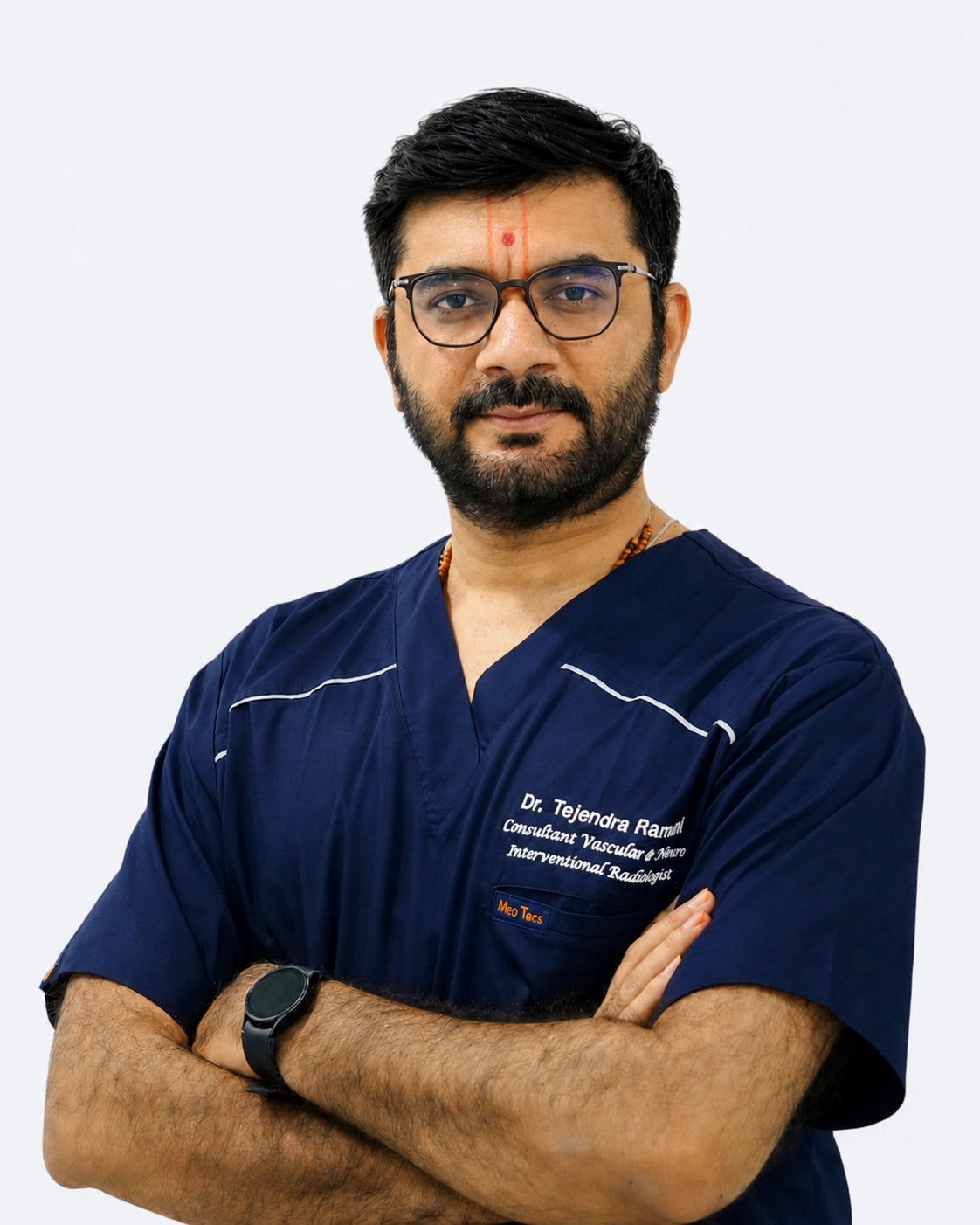
Dr. Tejendra Ramani
Consultant Interventional Radiologist
Vascular · Neuro ·
Image-Guided Interventions
MD (Gold Medalist) Neuro & Vascular Interventional Specialist NIMHANS-trained Neuro Intervention, PhD Scholar
View Full Profile