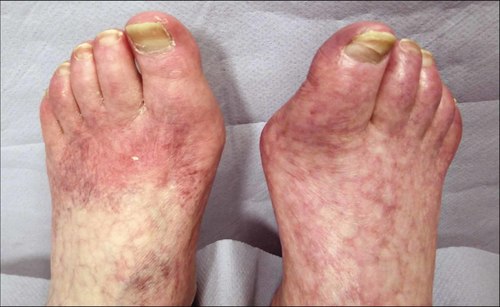
Critical Limb Ischemia (CLI) Management
Advanced Treatment for Severe Peripheral Artery Disease and Limb Preservation. Critical Limb Ischemia (CLI) is the most advanced stage of Peripheral Artery Disease (PAD), characterized by severely reduced blood flow to the legs and feet. This serious vascular condition can cause chronic pain, non-healing wounds, tissue damage, gangrene, and a high risk of limb loss if not treated promptly. Early diagnosis and comprehensive management are essential to restore circulation, promote healing, and prevent amputation.
Our specialized vascular team offers advanced Critical Limb Ischemia management using state-of-the-art diagnostic techniques, minimally invasive endovascular procedures, and comprehensive limb salvage strategies to improve patient outcomes and quality of life.
What is Critical Limb Ischemia?
Critical Limb Ischemia occurs when arteries supplying blood to the lower extremities become severely narrowed or blocked due to atherosclerosis. The lack of oxygen-rich blood leads to persistent pain, poor wound healing, and tissue death.
CLI is considered a medical emergency and requires immediate evaluation and treatment to preserve the affected limb.
Symptoms of Critical Limb Ischemia
Common signs and symptoms include:
- Severe foot or leg pain at rest
- Pain that worsens at night
- Non-healing foot or leg ulcers
- Gangrene or blackened tissue
- Cold feet or toes
- Shiny or thin skin on the legs
- Reduced or absent pulses in the feet
- Numbness or weakness in the affected limb
- Slow-healing wounds and infections
Patients experiencing these symptoms should seek urgent vascular consultation.
Causes and Risk Factors
Several conditions increase the risk of developing Critical Limb Ischemia, including:
- Peripheral Artery Disease (PAD)
- Diabetes mellitus
- Smoking
- High blood pressure
- High cholesterol
- Chronic kidney disease
- Obesity
- Advanced age
- Cardiovascular disease
Proper management of these risk factors can help prevent disease progression.
Diagnosis of Critical Limb Ischemia
A thorough vascular assessment is essential to determine the severity and location of arterial blockages.
Diagnostic tests may include:
- Ankle-Brachial Index (ABI)
- Doppler Ultrasound
- CT Angiography
- MR Angiography
- Peripheral Angiography
- Tissue perfusion assessment
- Vascular imaging studies
These advanced diagnostic tools help guide personalized treatment planning.
Critical Limb Ischemia Treatment Options
Comprehensive CLI management includes medical therapy, endovascular procedures, wound care, and surgery when needed.
Medical Management
Early Treatment & Risk Factor Control
- Blood-thinning medications
- Cholesterol-lowering drugs
- Blood pressure control
- Diabetes management
- Pain management
- Smoking cessation support
Endovascular Revascularization
Minimally Invasive Blood Flow Restoration
- Peripheral Angioplasty to open narrowed arteries.
- Stent Placement to keep the artery open long-term.
- Atherectomy to remove plaque from arterial walls.
- Drug-Coated Balloon Therapy to reduce re-narrowing.
Limb Salvage Procedures
Limb Preservation Strategies
- Restoring blood circulation
- Promoting wound healing
- Treating infections
- Managing tissue damage
- Preventing major amputation
Advanced Wound Care
Comprehensive Wound Management
- Debridement of dead tissue
- Advanced dressings
- Negative pressure wound therapy
- Infection control
- Specialized diabetic foot care
Surgical Revascularization
For selected patients, vascular bypass surgery may be recommended to create an alternate route for blood flow around blocked arteries.
Benefits of Early CLI Management
Importance of Limb Preservation
Without treatment, Critical Limb Ischemia can rapidly progress to gangrene and major amputation. Early intervention significantly increases the likelihood of successful limb salvage and long-term vascular health.
Prompt diagnosis and treatment can make a life-changing difference for patients suffering from advanced peripheral vascular disease.
Why Choose Our Critical Limb Ischemia Program?
Our multidisciplinary team specializes in advanced CLI management and limb preservation using the latest vascular and endovascular technologies.
Ready to Consult Dr. Tejendra Ramani?
Book your appointment today and get expert vascular care in Kutch.

Dr. Tejendra Ramani
Consultant Interventional Radiologist
Vascular · Neuro ·
Image-Guided Interventions
MD (Gold Medalist) Neuro & Vascular Interventional Specialist NIMHANS-trained Neuro Intervention, PhD Scholar
View Full Profile