Uterine Fibroid Embolization (UFE)
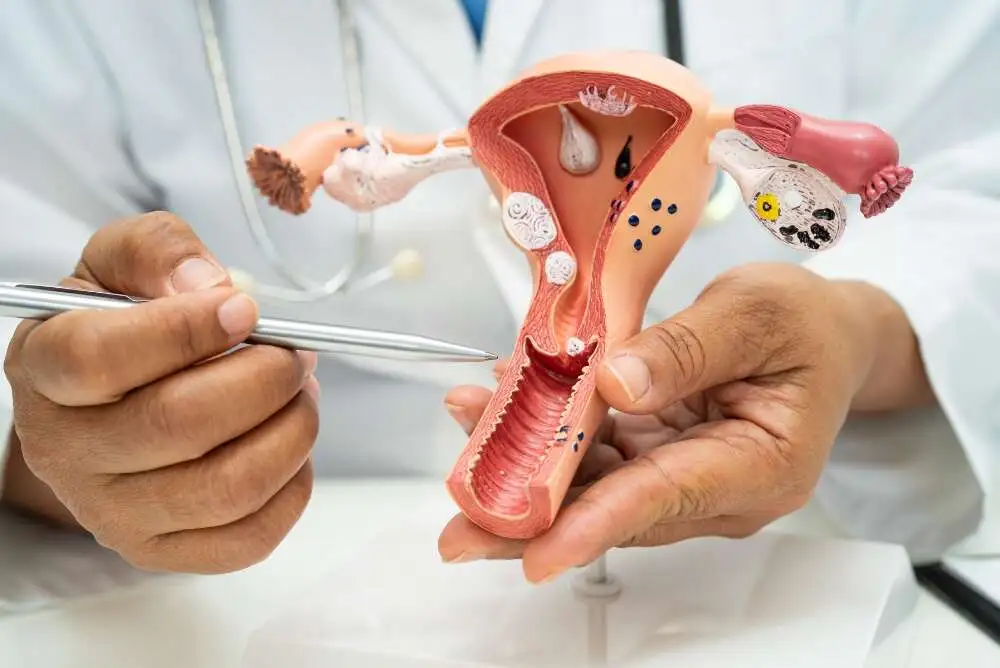
A Minimally Invasive Treatment for Uterine Fibroids. Uterine Fibroid Embolization (UFE), also known as Uterine Artery Embolization (UAE), is a safe and effective minimally invasive procedure used to treat uterine fibroids without major surgery. This advanced treatment helps shrink fibroids by blocking their blood supply, relieving symptoms while preserving the uterus.
Our interventional radiology specialists perform UFE using image-guided techniques to provide long-lasting symptom relief with shorter recovery times compared to traditional surgical procedures.
What Are Uterine Fibroids?
Uterine fibroids are non-cancerous growths that develop within or around the uterus. They are very common among women of reproductive age and can vary in size and number.
While some fibroids cause no symptoms, others can significantly affect a woman's quality of life.
Symptoms of Uterine Fibroids
Women with symptomatic fibroids may experience:
- Heavy or prolonged menstrual bleeding
- Pelvic pain or pressure
- Frequent urination
- Constipation
- Pain during intercourse
- Abdominal bloating
- Lower back pain
- Enlarged abdomen
- Difficulty becoming pregnant in some cases
- Fatigue due to anemia from heavy bleeding
If fibroids are causing symptoms, medical evaluation is recommended.
What is Uterine Fibroid Embolization?
Uterine Fibroid Embolization is a minimally invasive procedure that blocks the blood vessels supplying fibroids. Without a blood supply, the fibroids gradually shrink, and symptoms improve over time.
Unlike hysterectomy, UFE preserves the uterus and avoids major abdominal surgery.
How UFE is Performed
UFE is performed under local anesthesia with mild sedation using image-guided techniques.
Procedure Steps
Minimally invasive · 1–2 hours
- Local anesthesia and mild sedation are administered.
- A small catheter is inserted through an artery in the wrist or groin.
- Using real-time imaging guidance, the catheter is advanced to the uterine arteries.
- Tiny embolic particles are injected into the arteries supplying the fibroids.
- Blood flow to the fibroids is blocked while preserving blood flow to healthy uterine tissue.
- The catheter is removed, and the procedure is completed.
The procedure typically takes one to two hours.
Who is a Candidate for UFE?
Uterine Fibroid Embolization may be suitable for women who:
- Have symptomatic uterine fibroids
- Experience heavy menstrual bleeding
- Have pelvic pain or pressure from fibroids
- Want to avoid major surgery
- Wish to preserve their uterus
- Have multiple fibroids
- Are not ideal candidates for surgical treatment
A detailed consultation and imaging evaluation help determine eligibility.
Benefits of Uterine Fibroid Embolization
Recovery After UFE
Most patients return home within 24 hours and resume normal activities within one to two weeks.
During recovery, patients may experience:
- Mild pelvic cramping
- Fatigue
- Low-grade fever
- Temporary nausea
These symptoms are generally short-lived and can be managed with medications.
Results of Uterine Fibroid Embolization
Following treatment:
- Fibroids gradually shrink over several months
- Menstrual bleeding often becomes lighter
- Pelvic pressure decreases
- Urinary symptoms improve
- Pain and discomfort are reduced
- Overall quality of life improves significantly
Most women experience substantial symptom relief after the procedure.
UFE vs. Surgical Treatment
Compared with traditional fibroid surgery, UFE offers several advantages:
UFE
Minimally Invasive
- Minimally invasive
- No large incision
- Short recovery time
- Treats multiple fibroids simultaneously
- Uterus preserved
Traditional Surgery
Major Surgical Procedure
- Major surgical procedure
- Abdominal incision may be required
- Longer recovery period
- May require multiple surgical approaches
- Hysterectomy removes the uterus
The most appropriate treatment depends on individual medical needs and reproductive goals.
Why Choose Our Uterine Fibroid Embolization Program?
We provide advanced, image-guided fibroid treatment using the latest interventional radiology techniques.
Ready to Consult Dr. Tejendra Ramani?
Book your appointment today and get expert vascular care in Kutch.
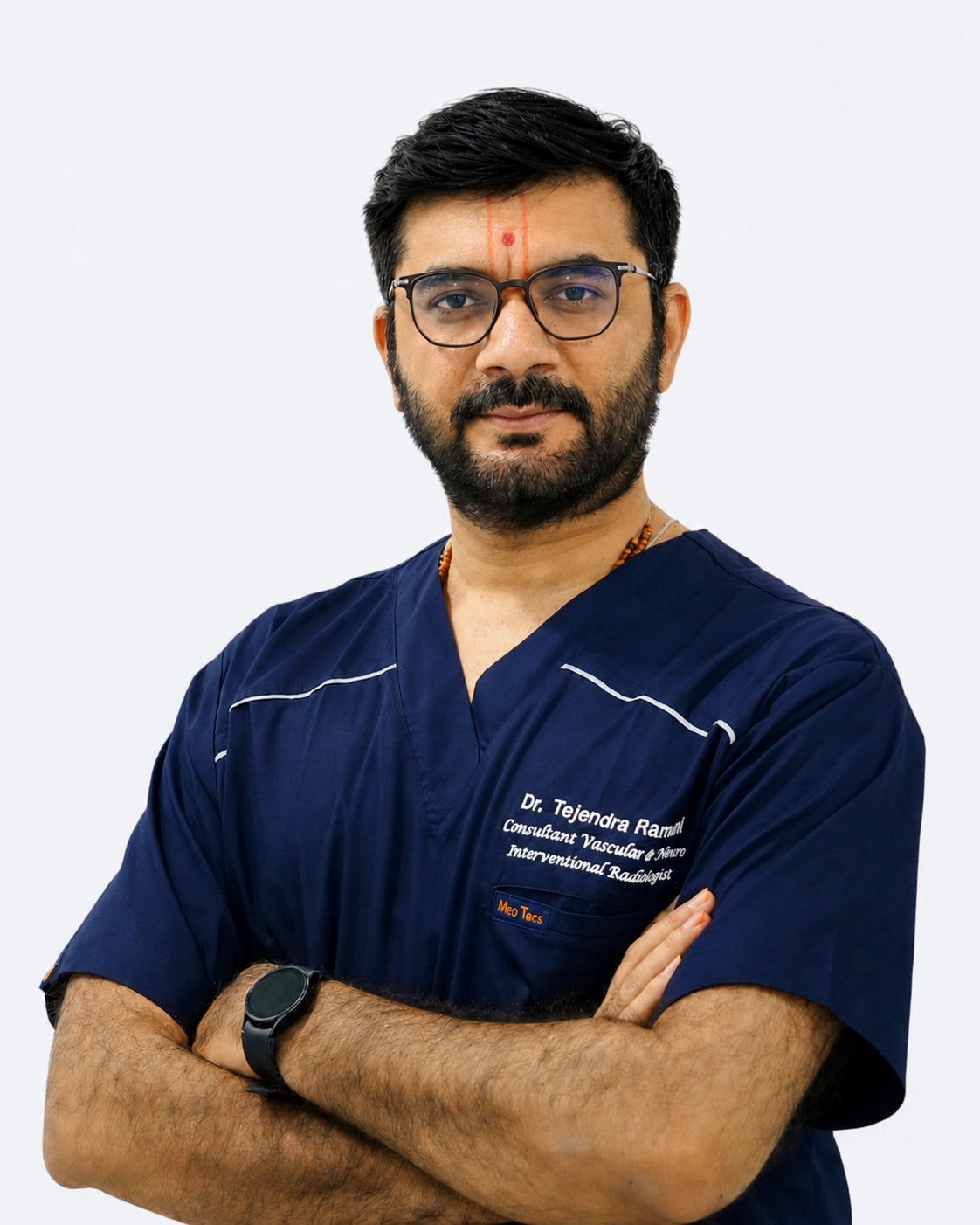
Dr. Tejendra Ramani
Consultant Interventional Radiologist
Vascular · Neuro ·
Image-Guided Interventions
MD (Gold Medalist) Neuro & Vascular Interventional Specialist NIMHANS-trained Neuro Intervention, PhD Scholar
View Full Profile