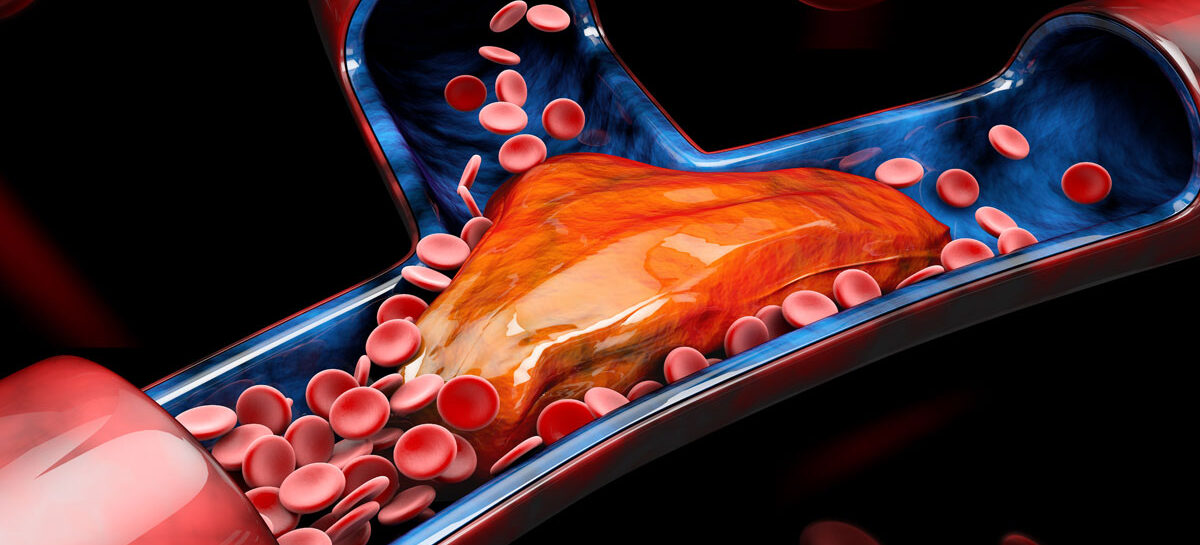
Thrombolysis & Thrombectomy
Advanced Minimally Invasive Treatment for Blood Clots. Thrombolysis and Thrombectomy are specialized, minimally invasive procedures used to treat blood clots that block blood flow in arteries or veins. These advanced vascular interventions help restore circulation, relieve symptoms, prevent tissue damage, and reduce the risk of life-threatening complications such as stroke, limb loss, pulmonary embolism, and organ damage.
Our vascular and interventional specialists provide comprehensive clot management using state-of-the-art imaging technology and advanced endovascular techniques to ensure safe and effective treatment with faster recovery and minimal discomfort.
What is Thrombolysis?
Thrombolysis is a procedure that uses clot-dissolving medications (thrombolytic agents) to break down blood clots and restore normal blood flow. The medication is delivered directly into the clot through a thin catheter, allowing targeted treatment and improved effectiveness.
Thrombolysis is commonly used for:
- Acute arterial thrombosis
- Deep Vein Thrombosis (DVT)
- Pulmonary embolism
- Peripheral arterial occlusion
- Dialysis access clotting
- Certain types of stroke
- Limb-threatening blood clots
What is Thrombectomy?
Thrombectomy is a minimally invasive procedure that physically removes a blood clot from a blocked blood vessel. Specialized devices are used to capture, fragment, or suction the clot, restoring circulation quickly and effectively.
Thrombectomy may be performed alone or in combination with thrombolysis for optimal results.
Conditions Treated with Thrombolysis and Thrombectomy
These procedures are often recommended for:
- Deep Vein Thrombosis (DVT)
- Acute Limb Ischemia
- Peripheral Artery Disease (PAD) complications
- Pulmonary Embolism (PE)
- Arterial thrombosis
- Venous thrombosis
- Graft or stent thrombosis
- Dialysis fistula or graft blockage
- Critical limb ischemia due to clot formation
Symptoms of Blood Clot-Related Conditions
Seek immediate medical attention if you experience:
Symptoms of Arterial Blockage
Acute Arterial Occlusion Signs
- Sudden severe leg pain
- Cold or pale limb
- Numbness or weakness
- Loss of pulse
- Difficulty moving the affected limb
Symptoms of Deep Vein Thrombosis
DVT Signs
- Leg swelling
- Pain or tenderness
- Warmth in the affected area
- Skin redness or discoloration
Symptoms of Pulmonary Embolism
PE Signs
- Sudden shortness of breath
- Chest pain
- Rapid heartbeat
- Dizziness or fainting
Prompt diagnosis and treatment can prevent serious complications.
How the Procedure is Performed
Both procedures are performed under local anesthesia using advanced imaging guidance. Here is what to expect:
Thrombolysis Procedure
Clot-Dissolving Medication · Hours to Days
- Local anesthesia is administered.
- A catheter is inserted through a small skin puncture.
- Imaging guidance positions the catheter within the clot.
- Clot-dissolving medication is delivered directly into the blockage.
- Blood flow is monitored and restored over several hours or days.
Thrombectomy Procedure
Mechanical Clot Removal · Same Day
- A catheter is inserted into the affected blood vessel.
- Specialized thrombectomy devices are advanced to the clot.
- The clot is mechanically removed or aspirated.
- Blood flow is restored immediately.
- Additional angioplasty or stenting may be performed if necessary.
Benefits of Thrombolysis and Thrombectomy
Recovery After Treatment
Most patients recover quickly following endovascular clot removal procedures. Recovery recommendations may include:
Ongoing care helps reduce the risk of recurrent blood clots.
Why Choose Our Thrombolysis and Thrombectomy Services?
We provide comprehensive vascular care using advanced endovascular technologies and evidence-based treatment strategies.
Ready to Consult Dr. Tejendra Ramani?
Book your appointment today and get expert vascular care in Kutch.
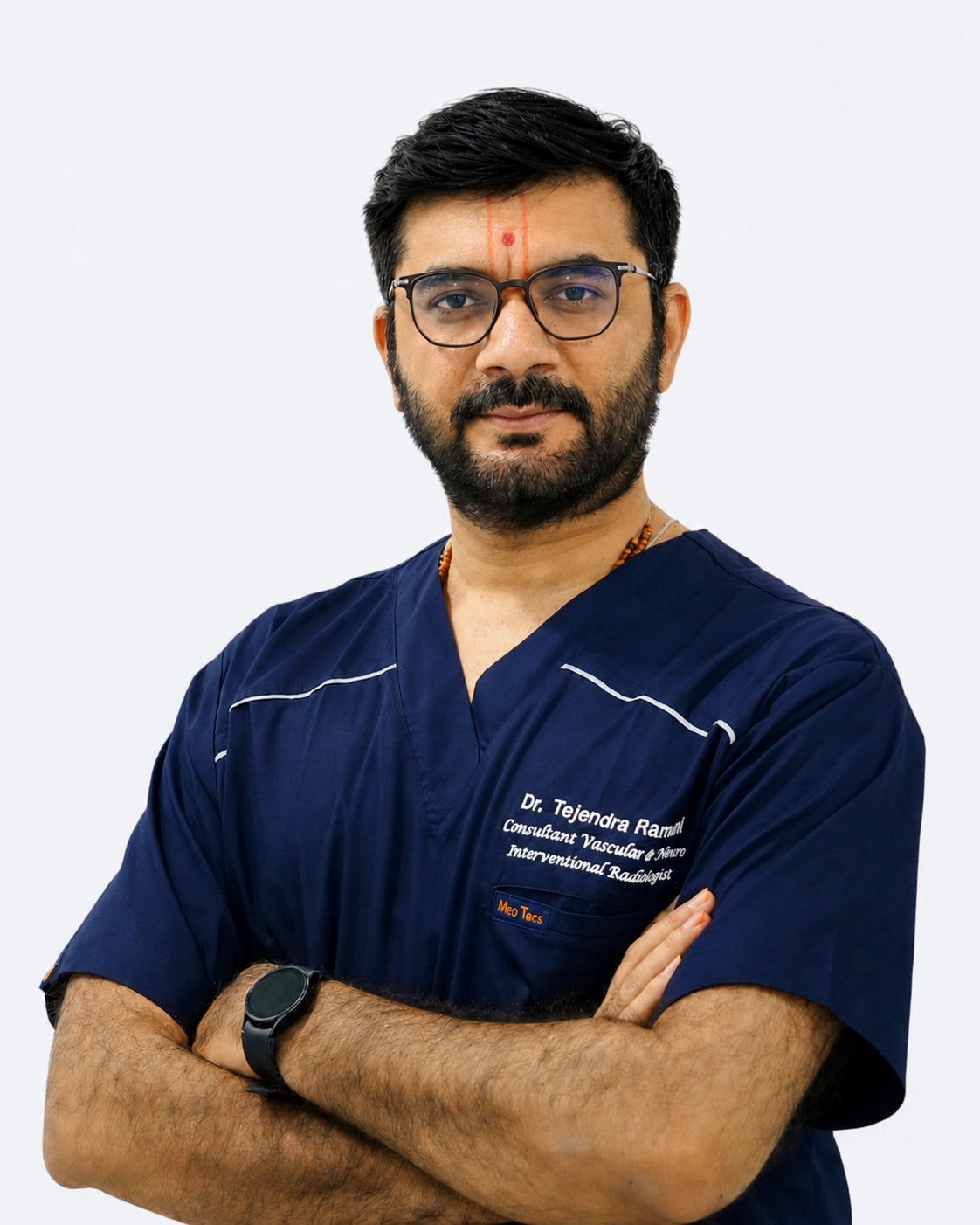
Dr. Tejendra Ramani
Consultant Interventional Radiologist
Vascular · Neuro ·
Image-Guided Interventions
MD (Gold Medalist) Neuro & Vascular Interventional Specialist NIMHANS-trained Neuro Intervention, PhD Scholar
View Full Profile