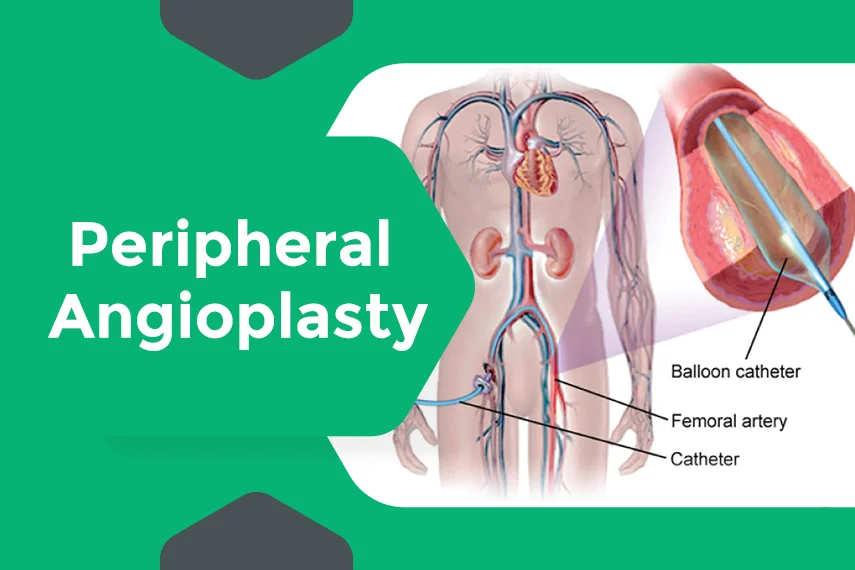
Peripheral Angiography & Angioplasty
Advanced Diagnosis and Minimally Invasive Treatment for Peripheral Artery Disease. Peripheral Angiography and Angioplasty are highly effective procedures used to diagnose and treat blocked or narrowed arteries outside the heart — most commonly in the legs, arms, kidneys, and neck — helping restore healthy blood flow and reduce the risk of serious complications.
Our expert team utilizes advanced imaging technology and state-of-the-art interventional techniques to provide safe, precise, and effective vascular care with faster recovery and minimal discomfort.
What is Peripheral Angiography?
Peripheral Angiography is a diagnostic imaging procedure that allows doctors to visualize blood vessels and identify blockages, narrowing, or abnormalities in the arteries. A contrast dye is injected into the blood vessels through a small catheter, and real-time X-ray images are taken to evaluate blood flow with high accuracy.
This procedure helps diagnose:
- Peripheral Artery Disease (PAD)
- Arterial blockages in the legs and arms
- Renal artery stenosis
- Carotid artery disease
- Vascular malformations
- Blood vessel injuries
- Chronic limb ischemia
What is Peripheral Angioplasty?
Peripheral Angioplasty is a minimally invasive treatment performed to open narrowed or blocked arteries. During the procedure, a tiny balloon is guided to the affected area and inflated to widen the artery. In many cases, a stent may be placed to keep the vessel open and maintain proper blood flow long-term.
Peripheral Angioplasty significantly improves circulation and reduces symptoms associated with poor blood supply — including pain, numbness, and non-healing wounds.
Signs & Symptoms of Peripheral Artery Disease
You may need evaluation for peripheral vascular disease if you experience any of the following:
- Leg pain while walking (claudication)
- Numbness or weakness in the legs
- Coldness in the lower leg or foot
- Slow-healing wounds or ulcers
- Changes in skin color
- Hair loss on the legs
- Reduced pulse in the feet
- Severe leg pain even at rest
Early diagnosis and treatment can prevent disease progression and serious complications such as critical limb ischemia or amputation.
Who Needs These Procedures?
These procedures are recommended for patients diagnosed with or suspected of:
- Peripheral Artery Disease (PAD)
- Diabetes-related vascular complications
- Chronic limb-threatening ischemia
- Non-healing diabetic foot ulcers
- Renal artery narrowing causing hypertension
- Carotid artery stenosis
- Arterial blockages affecting mobility and quality of life
How the Procedure is Performed
Both procedures are performed under local anaesthesia in a state-of-the-art angiography suite. Here is what to expect:
Peripheral Angiography
Diagnostic Imaging · 30–60 mins
- Local anaesthesia is administered at the entry site.
- A small catheter is inserted through the groin or wrist.
- Contrast dye is injected into the blood vessels.
- High-resolution imaging identifies narrowed or blocked arteries.
- Results are reviewed immediately for treatment planning.
Peripheral Angioplasty
Minimally Invasive Treatment · Same Day
- A balloon catheter is advanced to the site of blockage.
- The balloon is gently inflated to widen the narrowed artery.
- A stent may be placed if required to hold the vessel open.
- Blood flow is restored immediately after the procedure.
- Most patients return home within 24 hours.
Benefits of Peripheral Angioplasty
Recovery After Peripheral Angioplasty
Recovery is generally quick and uncomplicated. Most patients are discharged within 24 hours and resume light activities shortly after. Your doctor will provide a personalized recovery plan that may include:
Why Choose Our Peripheral Vascular Services?
Our center offers comprehensive vascular diagnosis and treatment using the latest interventional radiology and endovascular techniques. We focus on personalized patient care, accurate diagnosis, and successful treatment outcomes — making world-class care accessible locally in Kutch.
Ready to Consult Dr. Tejendra Ramani?
Book your appointment today and get expert vascular care in Kutch.
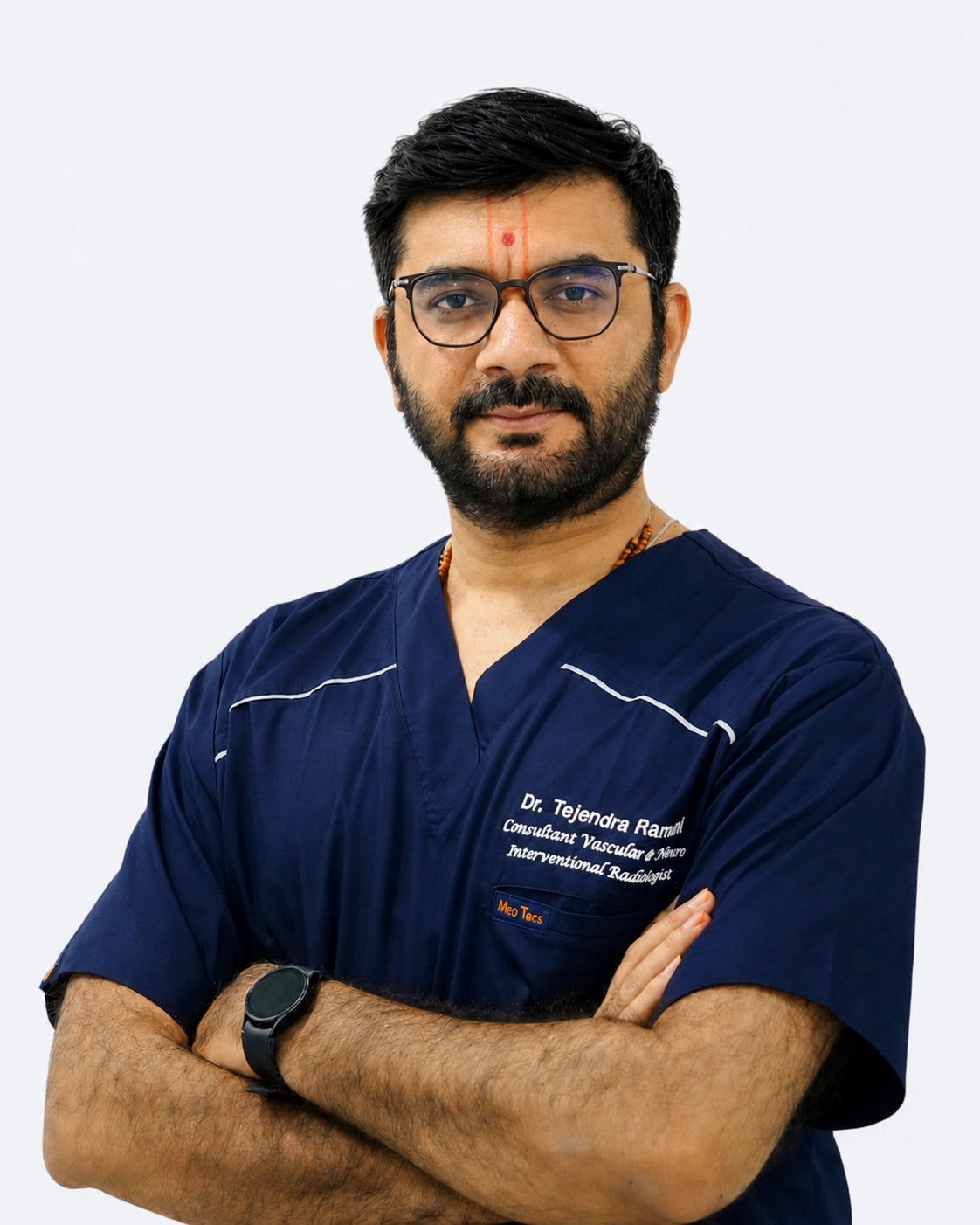
Dr. Tejendra Ramani
Consultant Interventional Radiologist
Vascular · Neuro ·
Image-Guided Interventions
MD (Gold Medalist) Neuro & Vascular Interventional Specialist NIMHANS-trained Neuro Intervention, PhD Scholar
View Full Profile