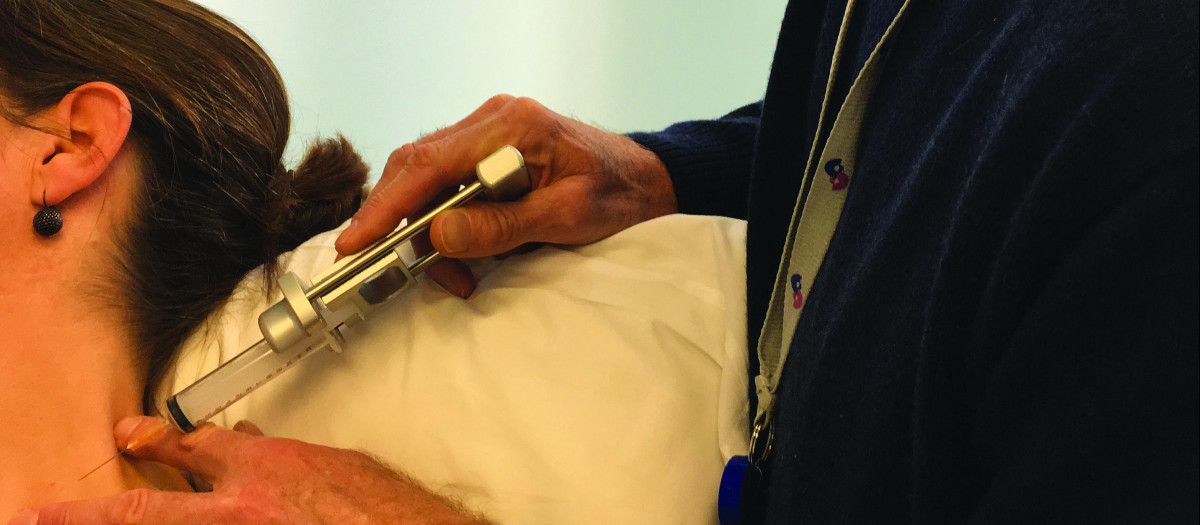
FNAC (Fine Needle Aspiration Cytology)
Accurate, Safe, and Minimally Invasive Diagnostic Procedure. Fine Needle Aspiration Cytology (FNAC) is a quick, minimally invasive diagnostic procedure used to evaluate lumps, nodules, masses, and abnormal tissues in different parts of the body. By using a thin, fine needle to collect cells from the affected area, FNAC helps diagnose a wide range of conditions, including infections, inflammatory diseases, benign tumors, and cancers.
Our specialists perform FNAC using advanced imaging guidance when required, ensuring accurate sample collection and reliable diagnostic results with minimal discomfort.
What is FNAC?
FNAC stands for Fine Needle Aspiration Cytology, a diagnostic technique in which a thin needle is inserted into a lump or suspicious area to collect a sample of cells. The collected cells are then examined under a microscope by a pathologist to determine the nature of the abnormality.
FNAC is often the first-line diagnostic test for evaluating masses and swellings because it is simple, safe, and highly effective.
Why is FNAC Performed?
FNAC is commonly recommended to:
- Diagnose unexplained lumps or swellings
- Evaluate suspicious tumors or masses
- Detect cancerous cells
- Differentiate between benign and malignant lesions
- Assess enlarged lymph nodes
- Investigate thyroid nodules
- Diagnose cysts and fluid-filled lesions
- Guide treatment planning
Early diagnosis through FNAC can help ensure timely and appropriate medical care.
Conditions Evaluated with FNAC
FNAC can be used to assess:
Thyroid Nodules
Common FNAC Indication
One of the most common indications for FNAC, helping determine whether thyroid nodules are benign or malignant.
Breast Lumps
Breast Mass Evaluation
Used to evaluate breast masses and distinguish between benign conditions and breast cancer.
Enlarged Lymph Nodes
Node Assessment
Helps diagnose infections, inflammatory conditions, lymphoma, and metastatic cancer.
Salivary Gland Swellings
Gland Lesion Evaluation
Provides valuable information about tumors and inflammatory conditions affecting the salivary glands.
Soft Tissue Masses
Muscle and Connective Tissue Lumps
Used for lumps occurring in muscles, fat, skin, and connective tissues.
Neck Masses
Neck Swelling Evaluation
Assists in identifying the cause of neck swellings and enlarged glands.
Cysts and Fluid Collections
Fluid-Filled Lesions
Helps diagnose and sometimes drain fluid-filled lesions.
Types of FNAC Procedures
Conventional FNAC
Direct Palpation Guidance
Performed by palpating and directly targeting a visible or easily felt lump.
Ultrasound-Guided FNAC
Real-Time Imaging Guidance
Uses real-time ultrasound imaging to accurately guide the needle into deep-seated or small lesions.
Commonly used for: Thyroid nodules, breast lesions, lymph nodes, liver lesions, abdominal masses.
Image-guided FNAC improves accuracy and diagnostic yield.
How is FNAC Performed?
The procedure is completed within a few minutes. Most FNAC procedures do not require anesthesia and are performed on an outpatient basis.
Procedure Steps
Quick outpatient procedure
- The target area is cleaned and prepared.
- Ultrasound guidance may be used if necessary.
- A very fine needle is inserted into the lesion.
- Cells are gently aspirated into the needle.
- Samples are placed on glass slides for laboratory analysis.
- The procedure is completed within a few minutes.
Benefits of FNAC
Recovery After FNAC
Recovery is usually immediate.
Patients may experience:
- Mild tenderness at the needle site
- Minor bruising
- Temporary discomfort
Most individuals can return to normal activities immediately after the procedure.
Is FNAC Safe?
FNAC is considered a very safe procedure with a low risk of complications. Because a fine needle is used, bleeding, infection, and scarring are extremely uncommon.
When performed under imaging guidance by experienced specialists, FNAC provides excellent diagnostic accuracy and patient safety.
FNAC vs. Biopsy
FNAC
Cell Sampling
- Collects cells
- Very fine needle
- Quick procedure
- Minimal discomfort
- Rapid results
Core Needle Biopsy
Tissue Sampling
- Collects tissue samples
- Larger biopsy needle
- Slightly longer procedure
- Mild discomfort
- More detailed tissue analysis
Your doctor will recommend the most appropriate test based on your clinical condition and imaging findings.
Why Choose Our FNAC Services?
We provide accurate diagnostic evaluation using advanced techniques and experienced pathology support.
Ready to Consult Dr. Tejendra Ramani?
Book your appointment today and get expert vascular care in Kutch.
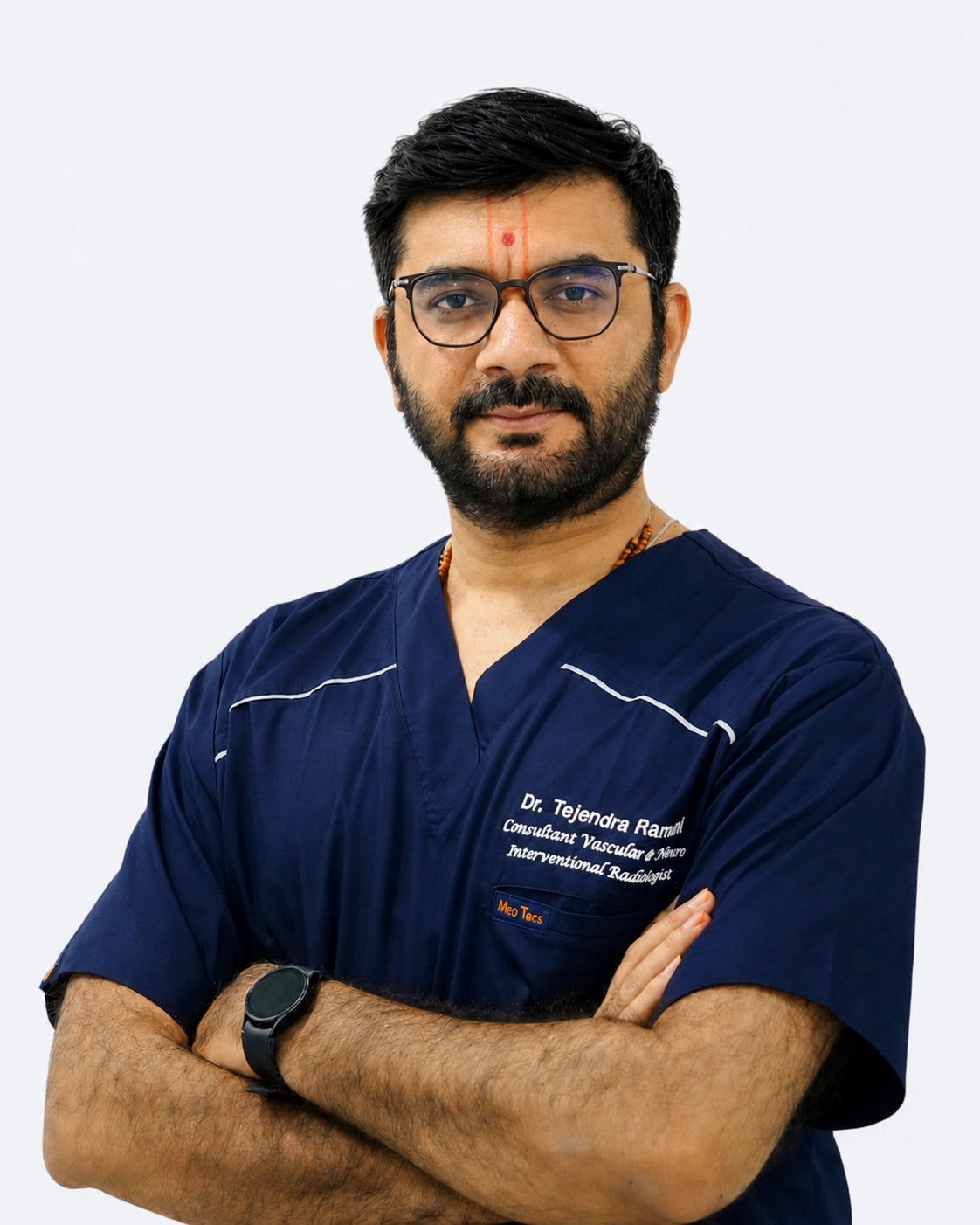
Dr. Tejendra Ramani
Consultant Interventional Radiologist
Vascular · Neuro ·
Image-Guided Interventions
MD (Gold Medalist) Neuro & Vascular Interventional Specialist NIMHANS-trained Neuro Intervention, PhD Scholar
View Full Profile