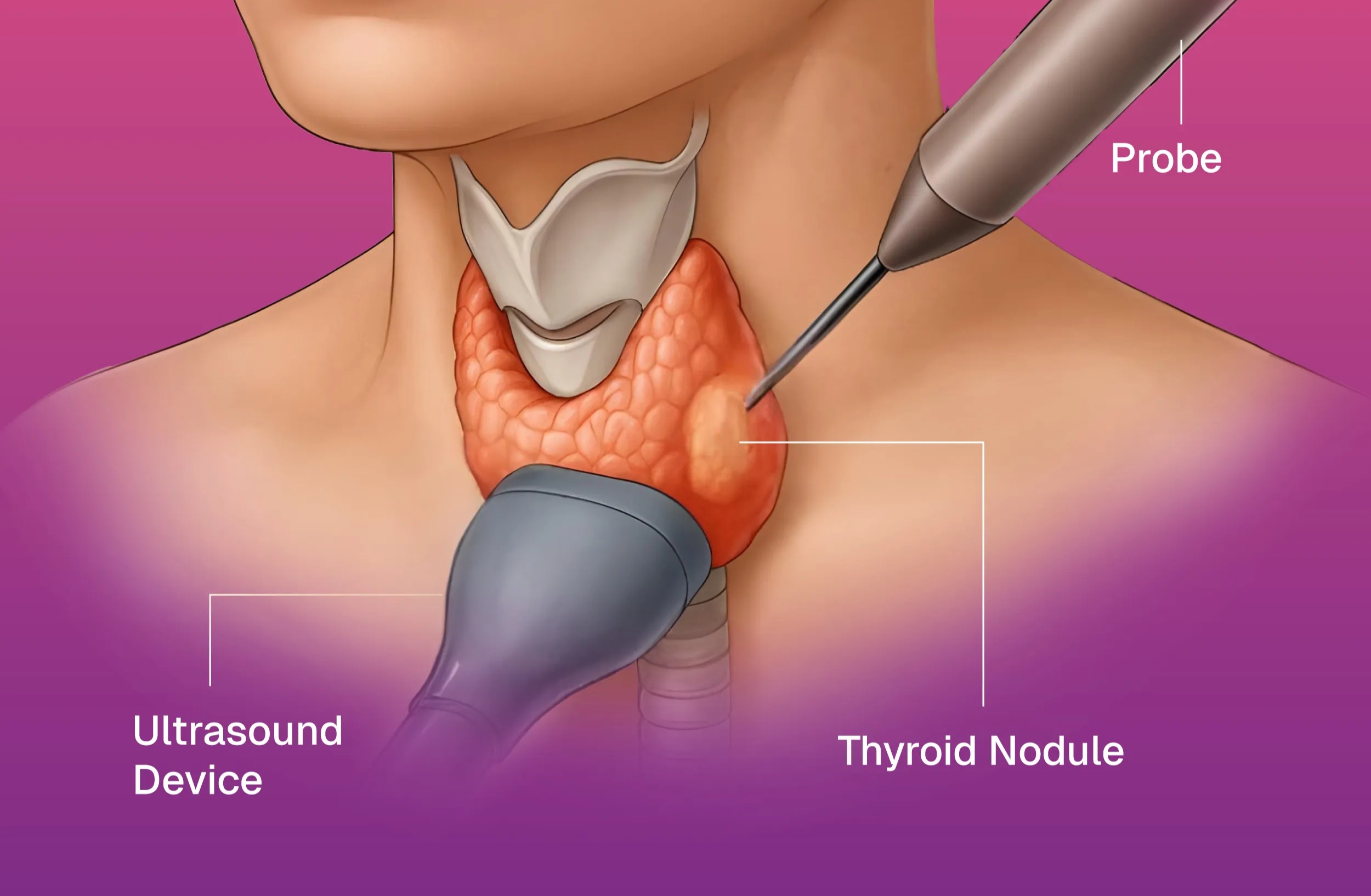
Thyroid Nodule Interventional
Thyroid nodules are common growths that develop within the thyroid gland, located at the front of the neck. While most thyroid nodules are benign (non-cancerous), some can cause symptoms such as neck swelling, difficulty swallowing, voice changes, cosmetic concerns, or excessive thyroid hormone production. Modern interventional radiology offers minimally invasive, non-surgical treatments that effectively reduce nodule size while preserving normal thyroid function.
Our expert team utilizes advanced imaging technology and state-of-the-art interventional techniques to provide safe, precise, and effective thyroid nodule treatment with faster recovery and minimal discomfort.
What Are Thyroid Nodules?
A thyroid nodule is an abnormal lump or growth within the thyroid gland. These nodules may be solid, cystic (fluid-filled), or mixed. Many thyroid nodules do not cause symptoms and are discovered incidentally during routine imaging examinations. However, larger nodules can lead to discomfort, pressure symptoms, or cosmetic concerns.
When Is Interventional Treatment Recommended?
Interventional treatment may be recommended when:
- The nodule is benign but continues to grow
- The patient experiences difficulty swallowing or breathing
- There is noticeable neck swelling or cosmetic deformity
- The nodule causes pain or discomfort
- Hyperfunctioning nodules produce excessive thyroid hormones
- Surgery is not preferred or poses higher risks
- The patient wishes to avoid thyroid removal
Minimally Invasive Interventional Procedures for Thyroid Nodules
Radiofrequency Ablation (RFA)
Radiofrequency Ablation is a highly effective procedure that uses heat generated by radiofrequency energy to destroy thyroid nodule tissue. The procedure is performed under ultrasound guidance using a thin needle-like electrode.
Benefits of RFA:
- No surgical incision
- Preserves healthy thyroid tissue
- Minimal recovery time
- Reduced risk of hypothyroidism
- Excellent cosmetic outcomes
- Significant nodule shrinkage over time
Laser Ablation Therapy (LAT)
Laser ablation uses targeted laser energy to destroy thyroid nodule tissue. This minimally invasive procedure effectively reduces nodule volume while avoiding major surgery.
Ethanol Ablation
Ethanol (alcohol) ablation is commonly used for cystic thyroid nodules. Alcohol is injected directly into the cyst under ultrasound guidance, causing the cyst to collapse and shrink.
Microwave Ablation (MWA)
Microwave ablation utilizes microwave energy to heat and destroy abnormal thyroid tissue. It is particularly useful for larger benign nodules and selected recurrent thyroid cancers.
How Is the Procedure Performed?
The procedure typically takes between 20 and 60 minutes depending on the size and complexity of the nodule.
- Detailed clinical evaluation and imaging assessment
- Ultrasound-guided biopsy (if required)
- Local anesthesia is administered
- A thin probe is inserted into the nodule under ultrasound guidance
- Thermal energy or ethanol is delivered to treat the nodule
- The patient is monitored briefly and discharged the same day
Benefits of Interventional Thyroid Nodule Treatment
Recovery After Thyroid Nodule Ablation
Most patients return to normal activities within 24 to 48 hours. Mild swelling, soreness, or discomfort at the treatment site may occur temporarily and usually resolves within a few days.
Regular follow-up ultrasound examinations help monitor nodule shrinkage and treatment success.
Why Choose Interventional Radiology for Thyroid Nodules?
Interventional radiology provides advanced image-guided treatments that offer excellent outcomes with minimal disruption to daily life. These procedures are particularly beneficial for patients seeking alternatives to conventional thyroid surgery while maintaining thyroid gland function.
Ready to Consult Dr. Tejendra Ramani?
Book your appointment today and get expert vascular care in Kutch.
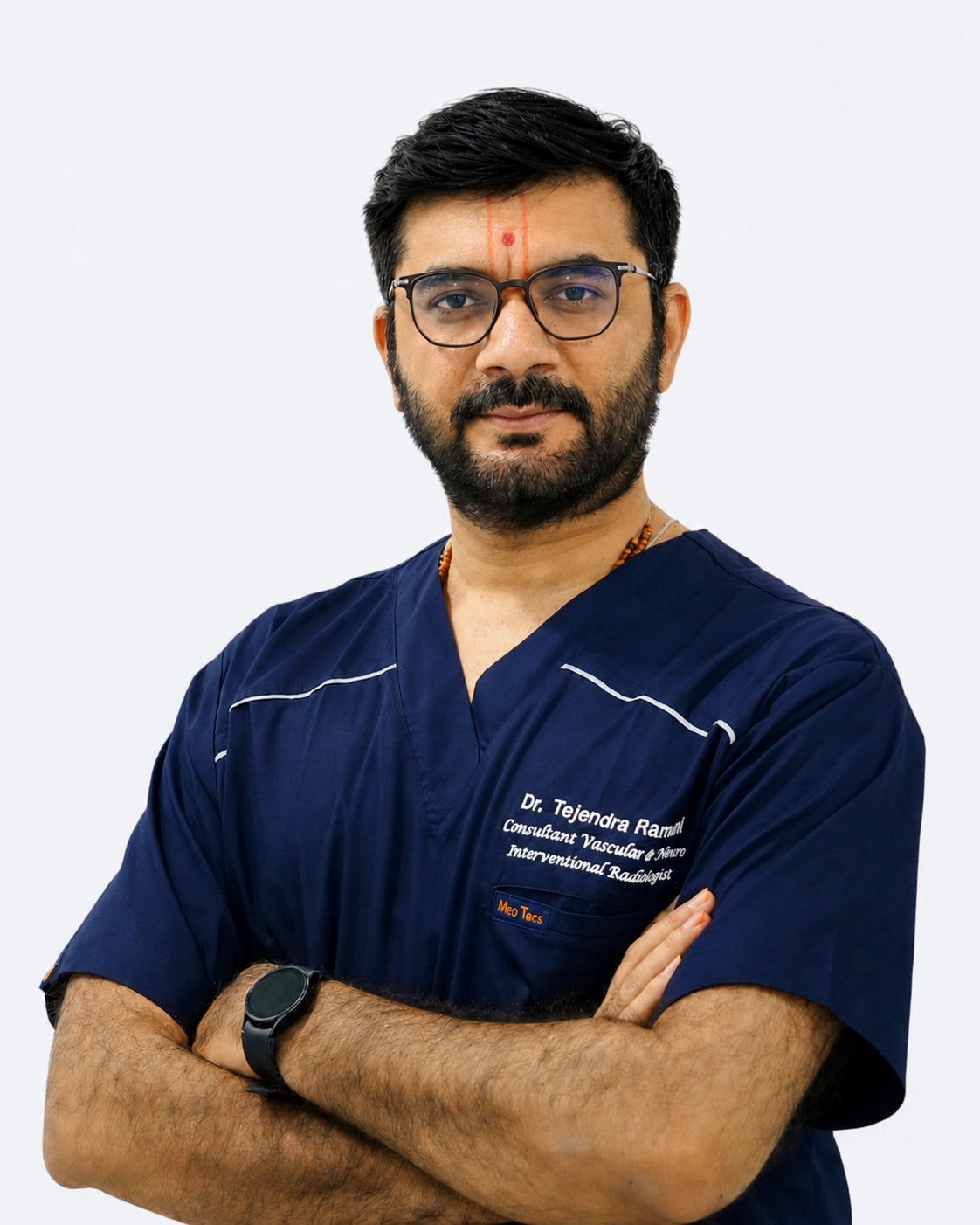
Dr. Tejendra Ramani
Consultant Interventional Radiologist
Vascular · Neuro ·
Image-Guided Interventions
MD (Gold Medalist) Neuro & Vascular Interventional Specialist NIMHANS-trained Neuro Intervention, PhD Scholar
View Full Profile