How Interventional Radiology Treats Varicose Veins Without Surgery
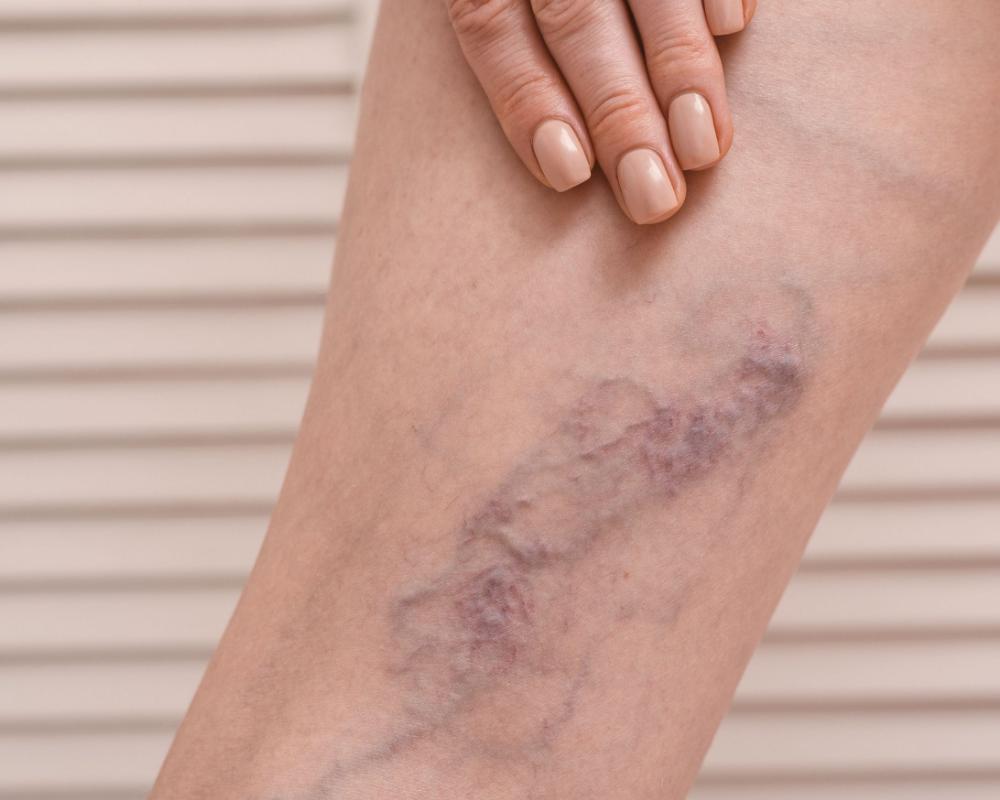
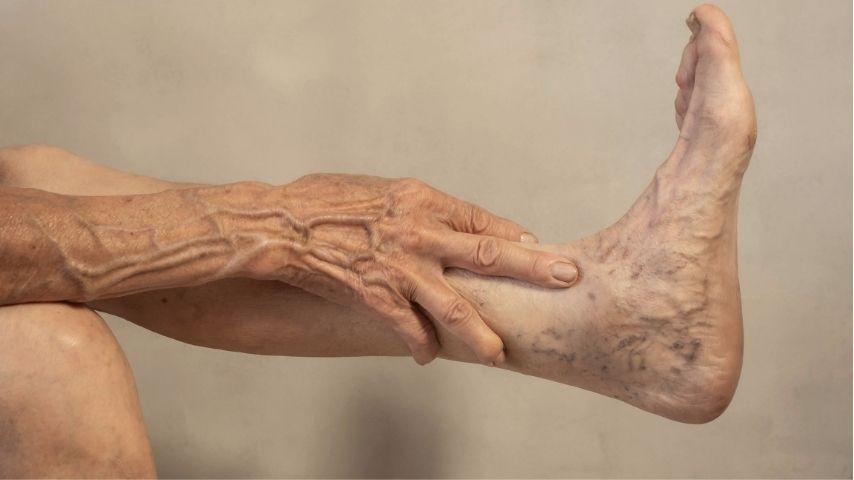
Varicose veins are a common vascular condition affecting millions of people worldwide. These enlarged, twisted veins typically appear on the legs and can cause discomfort, swelling, heaviness, and cosmetic concerns. Traditionally, surgical vein stripping was the primary treatment option. Today, advances in Interventional Radiology (IR) offer minimally invasive, highly effective alternatives that treat varicose veins without the need for major surgery.
Interventional Radiology uses image-guided techniques to close or remove diseased veins through tiny punctures, allowing patients to recover faster with less pain and minimal downtime.
What Are Varicose Veins?
Varicose veins develop when the valves inside the veins become weak or damaged, causing blood to flow backward and pool within the veins. This increased pressure causes veins to enlarge and become visible beneath the skin.
Common Symptoms of Varicose Veins
- Bulging, twisted blue or purple veins
- Leg pain or aching
- Heaviness in the legs
- Swelling of the ankles and feet
- Burning or throbbing sensations
- Night cramps
- Itching around affected veins
- Skin discoloration or ulcers in severe cases
If left untreated, varicose veins can progress and lead to complications such as venous ulcers, bleeding, and chronic venous insufficiency.
What Is Interventional Radiology?
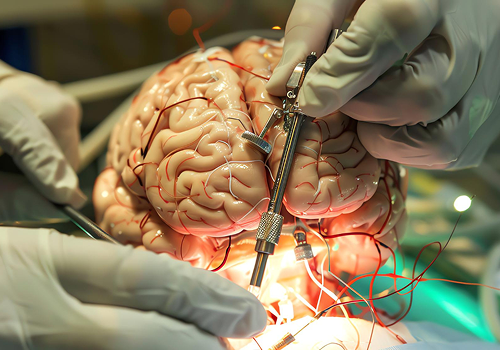
Interventional Radiology is a specialized field of medicine that uses advanced imaging technologies such as ultrasound, fluoroscopy, and CT scans to perform minimally invasive procedures. For varicose veins, interventional radiologists can target and treat the problematic veins directly through small needle punctures instead of surgical incisions.
Benefits of Interventional Radiology for Varicose Veins
- No major surgery
- Minimal scarring
- Local anesthesia only
- Outpatient treatment
- Less pain and discomfort
- Faster recovery
- High success rates
- Quick return to normal activities
Minimally Invasive Treatments for Varicose Veins
1. Endovenous Laser Ablation (EVLA)
Endovenous Laser Ablation is one of the most commonly performed treatments for varicose veins. During the procedure a thin laser fiber is inserted into the diseased vein under ultrasound guidance. Laser energy is delivered inside the vein, the vein collapses and seals shut, and blood is naturally redirected to healthy veins.
Advantages: Highly effective, Minimal discomfort, No stitches required, Quick recovery
2. Radiofrequency Ablation (RFA)
Radiofrequency Ablation uses heat generated by radiofrequency energy to close damaged veins. A small catheter is inserted into the affected vein and controlled heat is applied to the vein wall. The vein collapses and is gradually absorbed by the body.
Benefits: Less postoperative pain, Excellent cosmetic outcomes, High long-term success rates, Outpatient procedure
3. Ultrasound-Guided Foam Sclerotherapy
Sclerotherapy involves mixing a special medication into a foam and injecting it directly into the affected vein. The foam seals the vein which eventually disappears. Ideal for smaller varicose veins, residual veins after ablation procedures, and spider veins.
4. Venaseal™ Closure System
The Venaseal procedure uses a medical adhesive to seal diseased veins. Key benefits include no heat-based treatment, no need for tumescent anesthesia, minimal discomfort, and rapid recovery. Patients can often return to their daily routine immediately after treatment.
What Happens During the Procedure?
Most Interventional Radiology treatments for varicose veins follow these steps: ultrasound evaluation of the veins, local anesthesia, catheter or needle insertion through a tiny skin puncture, sealing the targeted vein using laser, radiofrequency, foam, or adhesive, removal of the catheter, and application of a small dressing. The entire procedure usually takes between 30 and 60 minutes.
Recovery After Treatment
Recovery from minimally invasive vein treatment is typically quick and straightforward. Most patients can walk immediately after treatment, return home the same day, resume normal activities within 24–48 hours, and return to work within a few days. Doctors may recommend compression stockings for a short period to optimize healing and results.
Who Is a Candidate for Interventional Radiology Vein Treatment?
You may be a suitable candidate if you have painful varicose veins, leg swelling, chronic venous insufficiency, skin changes caused by vein disease, venous ulcers, or cosmetic concerns related to varicose veins. A vascular ultrasound is typically performed to determine the best treatment approach.
Success Rates and Long-Term Results
Modern Interventional Radiology procedures have demonstrated excellent success rates, often exceeding 90% for appropriately selected patients. Most treated veins remain permanently closed, providing long-term symptom relief and improved appearance. Regular follow-up appointments help ensure optimal outcomes and monitor for any recurrence.
Why Choose Interventional Radiology Over Traditional Surgery?
Compared to surgical vein stripping, Interventional Radiology offers minimally invasive options, tiny puncture sites, local anesthesia, faster recovery, less pain, minimal scarring, and same-day discharge.
Ready to Consult Dr. Tejendra Ramani?
Book your appointment today and get expert vascular care in Kutch.
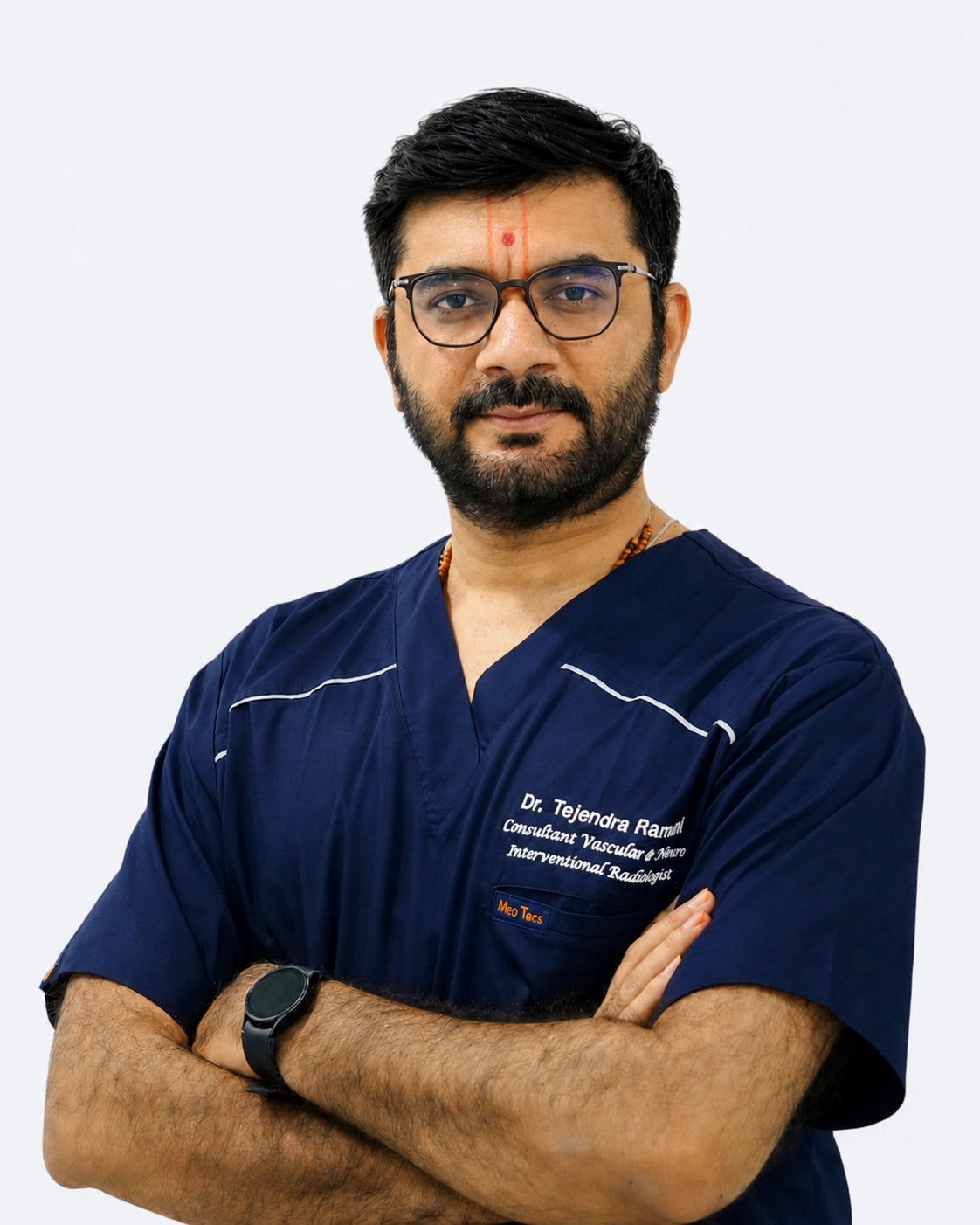
Dr. Tejendra Ramani
Consultant Interventional Radiologist
Vascular · Neuro ·
Image-Guided Interventions
Gold Medalist
PhD Scholar
IR Pioneer
MD (Gold Medalist) Neuro & Vascular Interventional Specialist NIMHANS-trained Neuro Intervention, PhD Scholar
View Full Profile